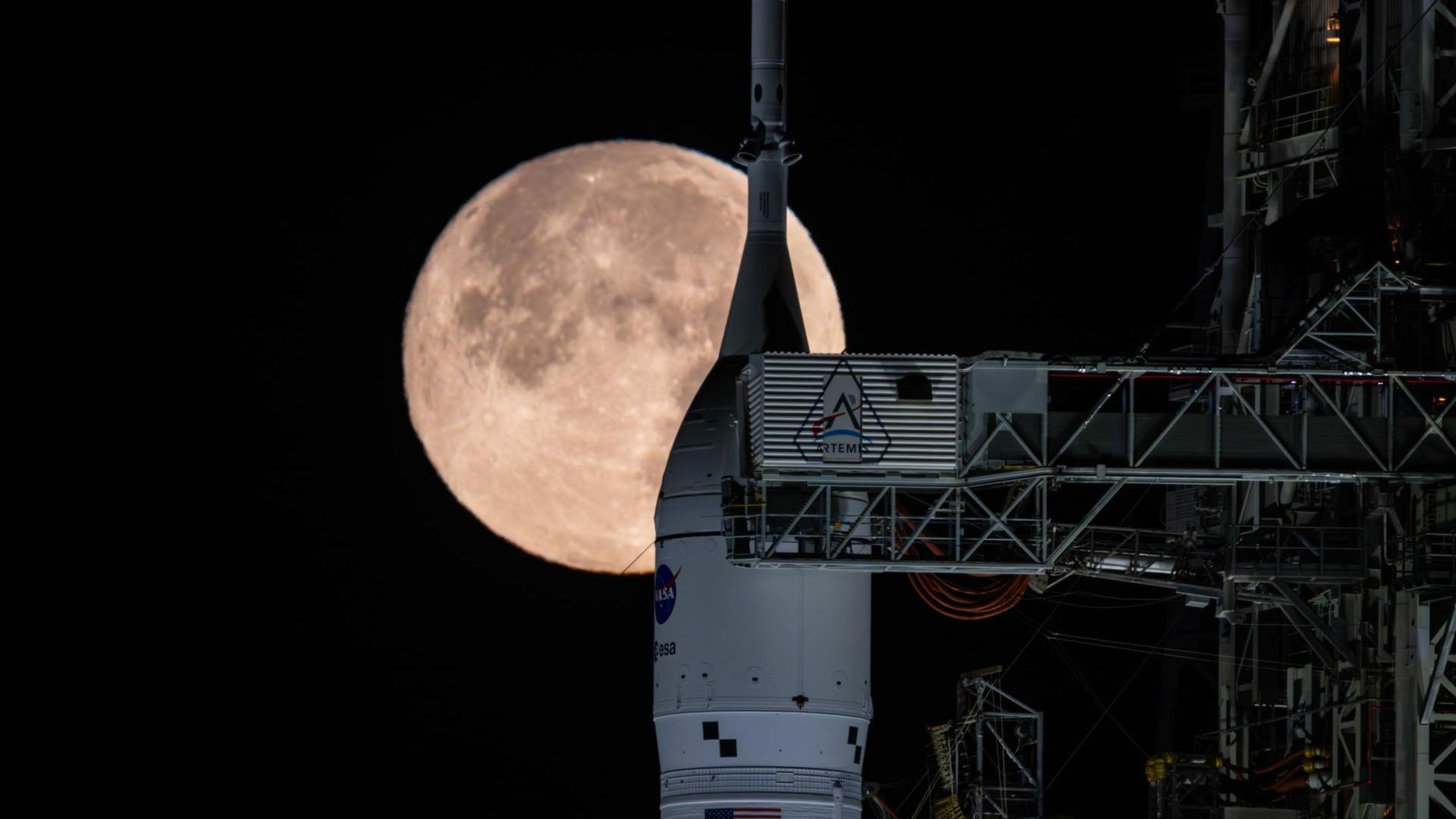
NASA is preparing for a second attempt to fully fuel its massive Artemis 2 rocket on February 19, following a previous test that was cut short due to a liquid hydrogen (LH2) leak. This “wet dress rehearsal” is a vital step towards the first crewed lunar mission since the Apollo program, and its success is essential for keeping the launch schedule on track.
Recurring Leak Concerns
The initial fueling attempt, which began January 31, encountered a leak at the connection point between the rocket and the mobile launch tower’s tail service mast umbilical (TSMU). This isn’t an isolated incident: similar leaks plagued the Artemis 1 test campaign, delaying that uncrewed mission by several months. Despite these issues, Artemis 1 ultimately launched successfully, proving that the underlying technology works – but highlighting the persistent challenges of handling cryogenic propellants.
Repairs and Confidence Tests
Following the first failed rehearsal, NASA engineers replaced two seals in the problematic area. A subsequent “confidence test” on February 12 partially filled the rocket’s tanks with LH2, revealing a separate issue with ground support equipment. This was traced to a faulty filter, which has since been replaced. The current assessment suggests the fixes are effective, allowing NASA to proceed with the full wet dress rehearsal.
The Rehearsal Process
The test will simulate the entire launch countdown sequence, including two complete runs of the final ten minutes, known as the “terminal count.” The team will intentionally pause the countdown at critical points – mimicking scenarios where a launch might be delayed due to technical glitches or weather. This deliberate practice ensures that controllers are prepared for real-world contingencies.
Potential Launch Dates
If the February 19 test proceeds without issue, NASA is targeting a launch window for Artemis 2 as early as March 6. Additional dates in March (7-9 and 11) are also under consideration. The mission will carry four astronauts – NASA’s Reid Wiseman, Victor Glover, and Christina Koch, alongside Canadian Space Agency astronaut Jeremy Hansen – on a ten-day journey around the moon and back to Earth.
The persistent fueling issues underscore the inherent complexities of large-scale rocket operations. While leaks were ultimately resolved for Artemis 1, these recurring problems emphasize the need for robust testing and redundancy to ensure crew safety and mission reliability. NASA’s methodical approach, despite setbacks, demonstrates a commitment to thorough preparation before risking human lives on a lunar voyage.