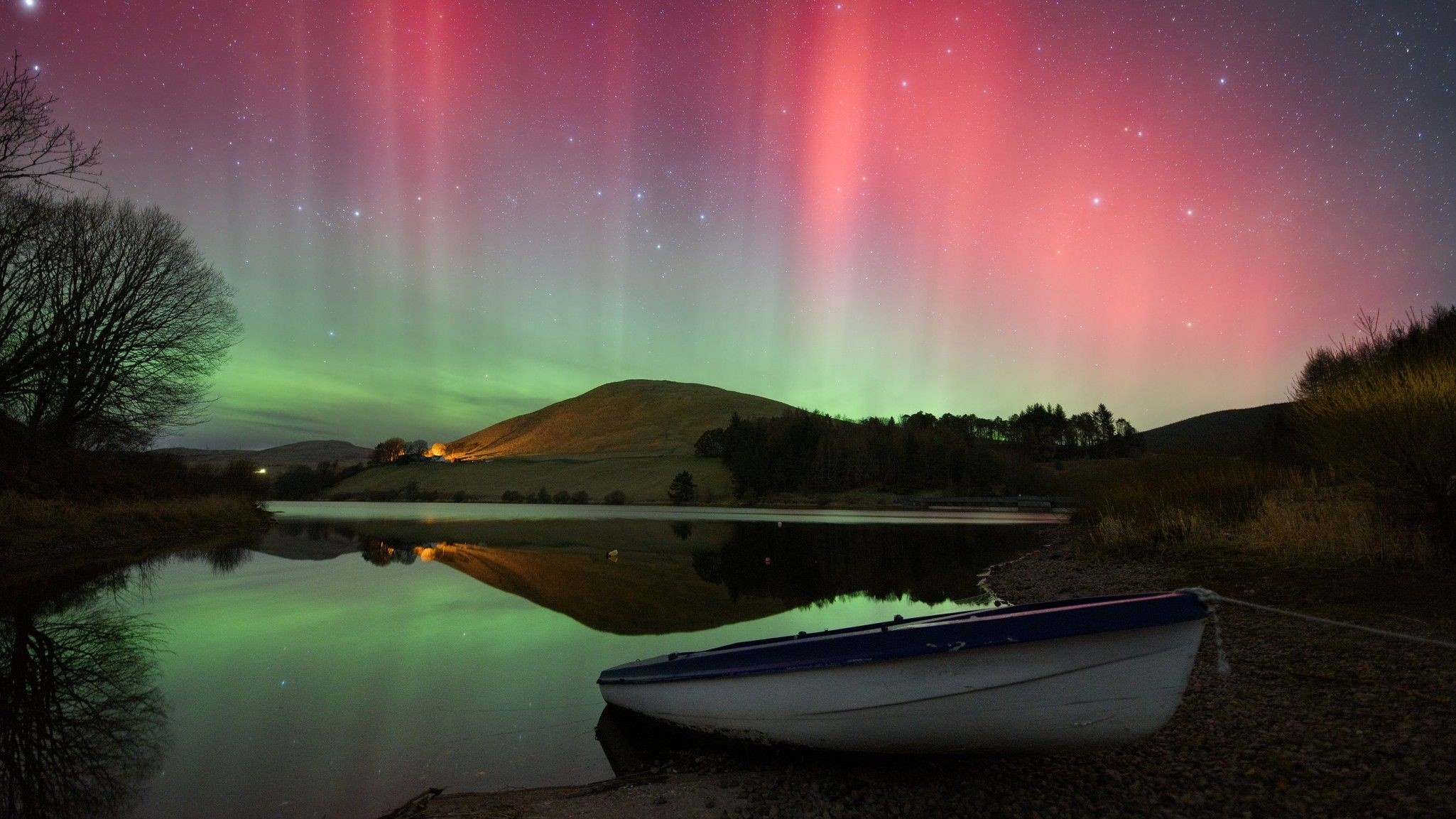
This March presents an unusually high probability of spectacular aurora displays – potentially the best conditions in nearly ten years. The convergence of the “equinox effect” with heightened solar activity creates an ideal environment for vibrant northern lights, though exact timing and location remain uncertain.
The Equinox Effect Explained
The spring equinox (occurring on March 20th at 10:46 a.m. EDT) marks the moment when the sun crosses Earth’s celestial equator. While this brings shorter nights in the Northern Hemisphere, it also significantly boosts the likelihood of auroral activity for several weeks surrounding the equinox.
This phenomenon, known as the “equinox effect,” was first detailed in 1973 by Christopher Russell and Robert McPherron in the Journal of Geophysical Research. Their research showed that during equinoxes, Earth’s magnetic field aligns more favorably with the solar wind. Specifically, the south-pointing magnetic fields in the solar wind more easily cancel out Earth’s north-pointing magnetic field. This allows a greater influx of charged particles into the atmosphere, resulting in more frequent and intense auroras. Essentially, the interaction between the solar wind and the Earth’s magnetic field becomes more efficient at funneling energy toward the poles.
Solar Maximum & Declining Activity
March’s equinox falls near the end of the sun’s 11-year activity cycle, known as solar maximum. This phase brings peak magnetic intensity, though recent data suggests it may have peaked in October 2024. Organizations like NASA and NOAA have indicated that confirming this peak will take months or years.
Currently, solar activity is measured by counting sunspots – cooler regions caused by concentrated magnetic fields. The number of sunspots is decreasing, indicating fewer solar flares and coronal mass ejections (CMEs). CMEs are critical for auroras, as these clouds of charged particles directly impact Earth’s atmosphere, triggering the light displays.
What to Expect
While conditions are favorable, there’s no guarantee of widespread auroral visibility at lower latitudes. The likelihood of seeing the northern lights depends on continued solar activity and geomagnetic disturbances. NOAA forecasts that Solar Cycle 26 will begin between 2029 and 2032, after which solar activity will likely subside.
The current convergence of conditions may provide some of the best aurora viewing opportunities until the mid-2030s, but sustained visibility at lower latitudes isn’t assured.
The upcoming weeks represent a rare chance to witness vibrant auroras, but preparedness and awareness of space weather forecasts are crucial for optimal viewing.