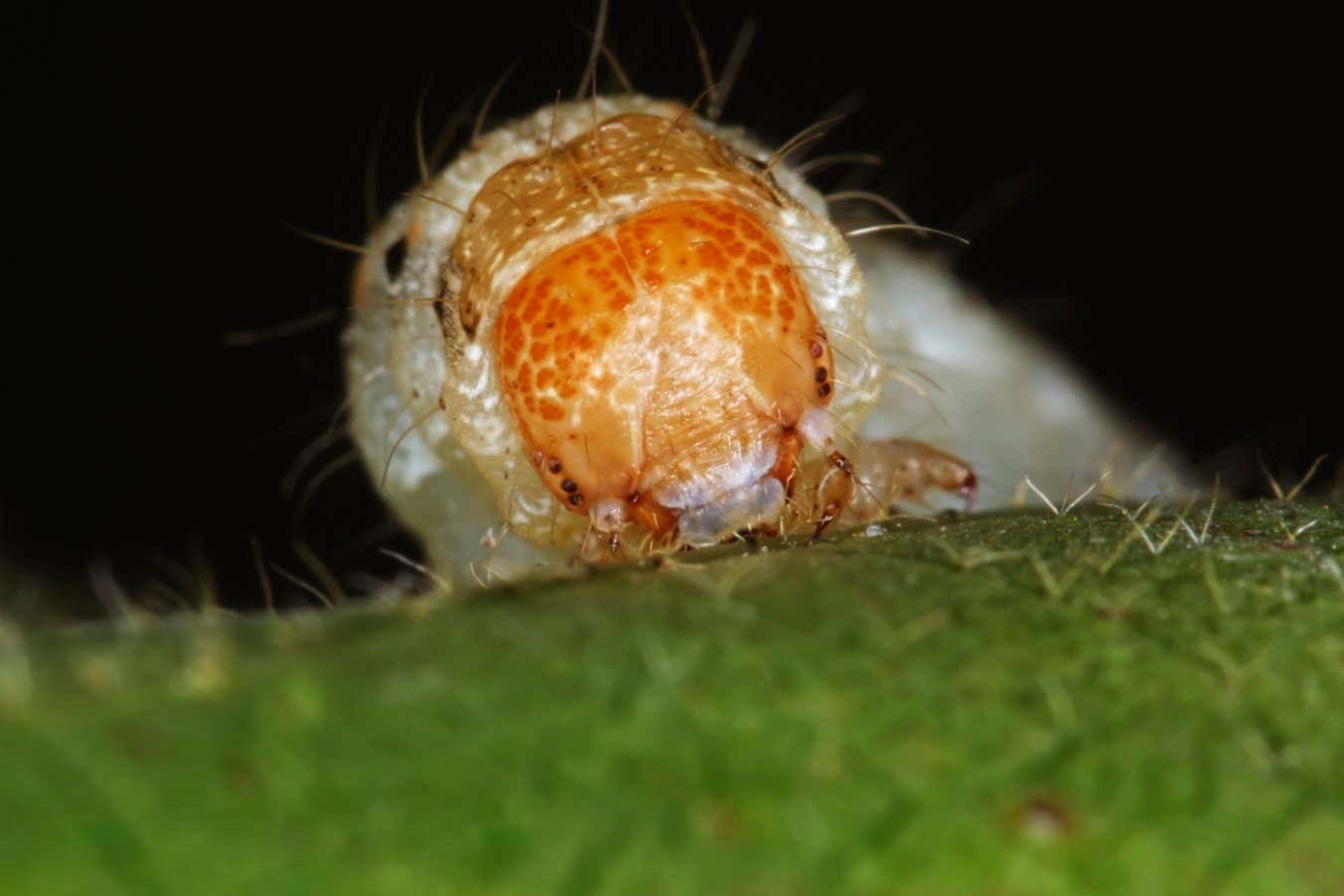
A dangerous evolutionary crossover is unfolding in Brazil: two of the world’s most destructive agricultural pests, the cotton bollworm and the corn earworm, are interbreeding and sharing pesticide resistance genes. This genetic exchange creates hybrid strains that could cripple crop yields worldwide, particularly impacting the critical Brazilian soybean industry. The situation raises serious concerns about global food security, as Brazil is a major exporter of soybeans used for both human and animal consumption.
The Rise of Hybrid Resistance
For years, farmers have relied on genetically modified (Bt) crops containing built-in pesticides to control these “megapests.” However, the interbreeding between Helicoverpa armigera (cotton bollworm) and Helicoverpa zea (corn earworm) is undermining this strategy. Researchers have discovered that a significant portion of H. armigera now carries Bt resistance genes acquired from H. zea, which initially evolved resistance in North American maize fields decades ago.
The speed of this transfer is alarming. Nearly all H. zea in Brazil have also acquired pyrethroid insecticide resistance from H. armigera. This means the pests are becoming increasingly difficult to kill with conventional methods, forcing farmers into a costly arms race against evolving resistance.
Why Brazil Matters
Brazil’s agricultural system is particularly vulnerable because over 90% of its soybean production is Bt-based. A collapse in yields due to pest resistance could trigger food price spikes, deforestation (as farmers clear more land to compensate), and increased greenhouse gas emissions. The situation isn’t hypothetical; the arrival of H. armigera in 2013 already caused billions of dollars in damage to Brazilian agriculture.
The Limits of Current Solutions
While plant companies are developing new Bt crops with multiple resistance proteins, this is a slow and expensive process. The most effective solution—planting non-Bt refuge crops to slow the spread of resistance—is often ignored by farmers in many regions. The problem isn’t limited to hybridization; pest resistance also evolves within species, as seen in China where H. armigera independently developed Bt resistance.
The reality is that global connectivity and climate change are lowering barriers to species range expansion, making biological invasions and megapests an increasingly widespread threat. The rapid genetic exchange between these pests underscores the need for more aggressive resistance management strategies, including strict enforcement of refuge planting guidelines.
The unfolding crisis in Brazil serves as a stark warning: unchecked pest evolution has the potential to disrupt global food systems and exacerbate existing environmental pressures.