


Human evolution isn’t a relic of the past; it’s an ongoing process, driven by culture, climate, and disease. While modern life may seem to shield us from natural selection, the reality is that our genes are still adapting to the world around us. The key isn’t just survival but reproductive success – traits that help people thrive and have more children become more common over generations.
How Culture Drives Biological Change
For millennia, humans have shaped their environments, but those environments continue to shape us in return. This isn’t just about adapting to weather; it’s about how our lifestyles interact with our biology. One striking example is lactose tolerance. Early humans couldn’t digest milk as adults, but the rise of dairy farming created a selective pressure: people with genes allowing milk digestion had a survival advantage, leading to widespread lactose tolerance in dairy-consuming populations. This is co-evolution – culture creating the conditions for genetic change.
Adapting to Sunlight and Disease
The sun’s ultraviolet rays pose a threat to human skin. Populations in tropical regions evolved darker skin with more melanin to protect against sunburn and cancer. However, when humans migrated to cloudier climates, darker skin blocked essential vitamin D production. Over time, lighter skin became advantageous in these regions, demonstrating how environmental conditions drive genetic shifts.
Similarly, infectious diseases have left their mark on our genomes. The bubonic plague in the 14th century killed millions, but survivors often carried genes offering resistance. Even more recently, the COVID-19 pandemic highlighted natural variations in immune response, suggesting that future evolution may favor individuals with greater viral resistance.
Modern Adaptations
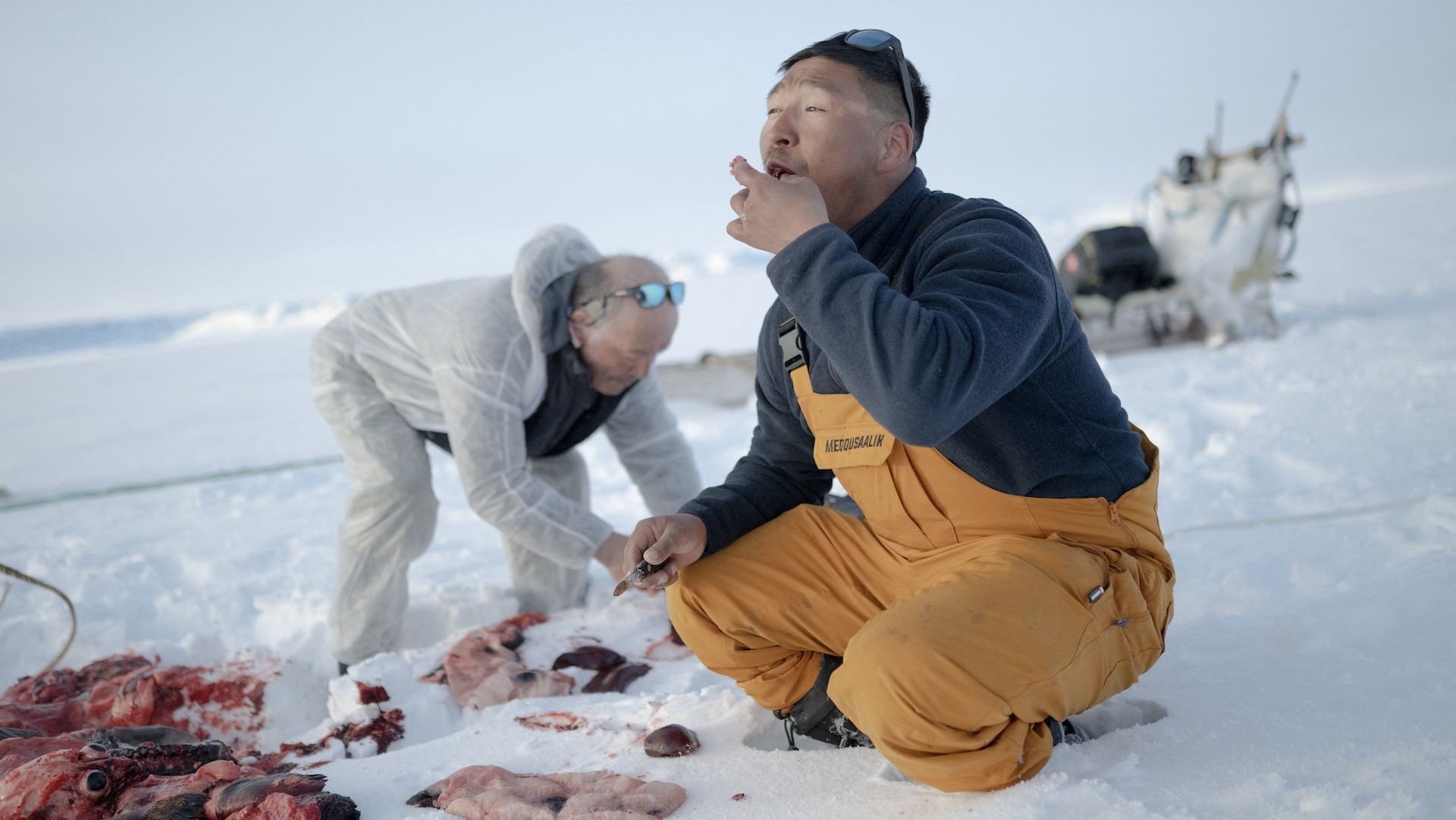
The story doesn’t end with ancient adaptations. Modern human populations show further examples of rapid evolution. The Inuit people of Greenland have genes that allow them to process fats efficiently, protecting against heart disease in a diet rich in marine mammals. The Turkana people of Kenya have genes that help them survive long periods without water in arid conditions. These adaptations demonstrate that evolution isn’t just a historical process; it’s happening now, shaped by unique cultural and environmental pressures.
Human evolution isn’t about becoming “better” in some absolute sense, but about becoming better suited to the specific challenges of our surroundings. This process is continuous, driven by the interplay between culture, environment, and genetics.
As long as environments change, and humans continue to adapt, evolution will persist. It’s a fundamental force in our species’ story, one that isn’t finished writing itself.