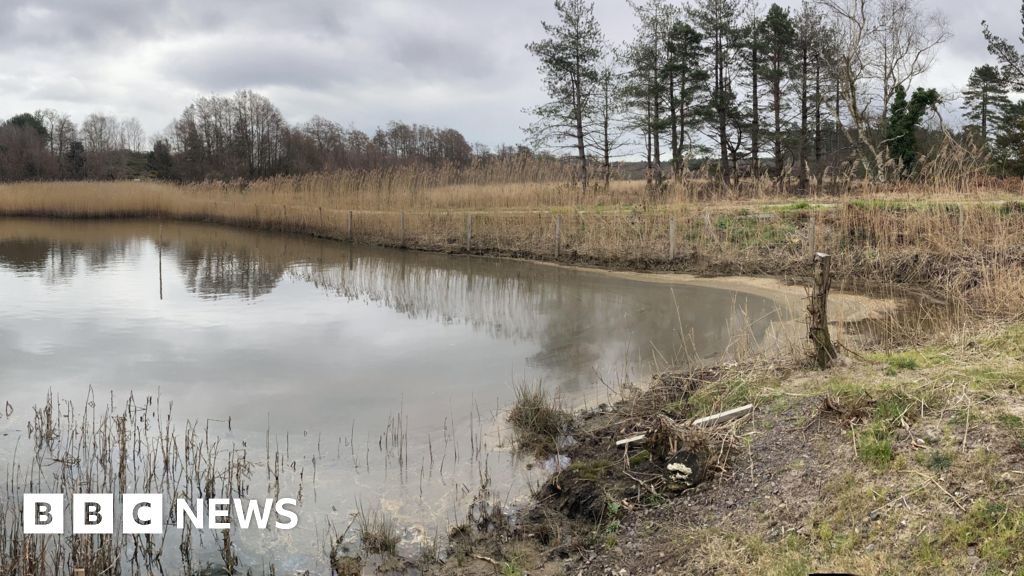
An oil spill at Poole Harbour in Dorset, one of Europe’s largest natural harbours, has resulted in Perenco – a major oil and gas company – being forced to pay £6.1 million in compensation for ecological damage. The incident, which occurred in March 2023, released approximately 200 barrels of oily water into the sensitive marine environment, prompting a major incident declaration.
Spill Details and Initial Response
The leak originated from a pipeline operated by Perenco under Owers Bay, near the Wytch Farm oil field. The company has attributed the spill to microbial corrosion within the buried pipeline. Following the immediate release, Perenco spent millions on initial cleanup efforts and implemented measures to prevent future occurrences. The total compensation package, agreed upon with the Environment Agency, includes £2.6 million for the initial response, £2.4 million for ongoing cleanup, and £115,000 dedicated to ecological surveys.
Ecological Impact and Public Safety
Poole Harbour is recognized as a Site of Special Scientific Interest due to its ecological significance, and the spill triggered widespread environmental concerns. Public access to the affected areas was restricted, with authorities urging swimmers, beachgoers, anglers, and sailors to stay away. The incident underscored the risks associated with aging infrastructure in ecologically sensitive zones. The spill highlights the potential for long-term harm to marine life and the broader ecosystem.
Compensation Breakdown & Conservation Efforts
Beyond environmental remediation, Perenco’s settlement includes £620,000 allocated to affected parties and £400,000 earmarked for local wildlife projects and charitable causes. Dorset Wildlife Trust is among the organizations receiving funding, with its chief executive, Brian Bleese, stating that the funds will support “a suite of high-impact conservation projects that improve water quality, restore wetlands, and support nature’s recovery across Poole Harbour and its wider catchment.”
The Perenco settlement represents a significant financial penalty for environmental negligence. It also demonstrates the growing pressure on energy companies to address infrastructure risks and protect ecologically valuable environments. This case sets a precedent for future accountability in similar incidents.