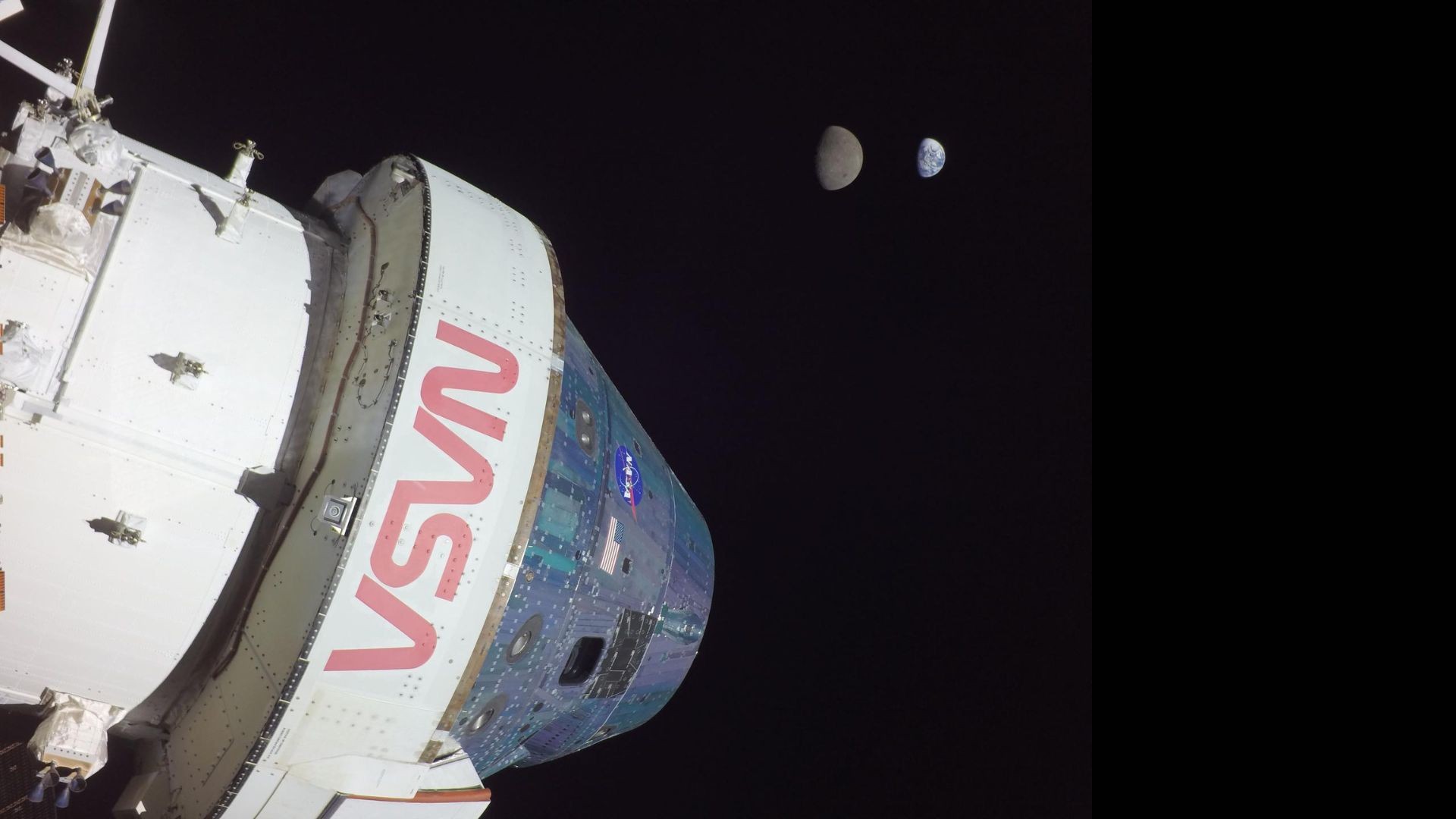
NASA is set to reveal significant changes to its Artemis program today, March 24th, including pushing the first crewed lunar landing to 2028. The updates will be shared across a series of livestreamed events from NASA headquarters in Washington, D.C., detailing how the agency intends to execute the current administration’s space policy.
Artemis Program Timeline Shift
Originally slated for Artemis 3, the first human landing on the moon will now occur with Artemis 4. This shift follows recent announcements by NASA Administrator Jared Isaacman, confirming a revised approach to testing critical lunar landing technologies. Artemis 3 will instead focus on orbital tests—specifically, practicing rendezvous and docking procedures between the Orion capsule and the private crew landers developed by SpaceX (Starship) and Blue Origin (Blue Moon).
This change is important because it signals a more cautious, phased approach to returning humans to the lunar surface. The delay allows NASA to validate the reliability of the landers in a lower-risk environment before committing to a full-scale landing attempt. It also acknowledges the technical complexities and potential delays inherent in coordinating with private partners.
Key Events and Participants
NASA will host three livestreamed events today:
- 9:00 AM EDT (1300 GMT): “Ignition: NASA’s Plan for the Moon” – An overview of the revised lunar exploration strategy.
- 1:00 PM EDT (1700 GMT): “Ignition: NASA’s Plan for Science and Discovery” – Details on how the Artemis program supports broader scientific objectives.
- 4:45 PM EDT (2045 GMT): News Conference – A comprehensive update on program progress, featuring key NASA officials including:
- Jared Isaacman, NASA Administrator
- Amit Kshatriya, Associate Administrator
- Dana Weigel, ISS Program Manager
- Carlos Garcia-Galan, Moon Base Program Executive
- Steve Sinacore, Fission Surface Power Program Executive
- Dr. Nicola Fox, Science Mission Directorate Associate Administrator
- Dr. Lori Glaze, Moon to Mars Program Manager
Why This Matters
The Artemis program represents a renewed U.S. commitment to lunar exploration, but the shift in timelines underscores the challenges of modern space missions. The reliance on commercial partners—SpaceX and Blue Origin—introduces logistical dependencies that can impact schedules.
The updated plan emphasizes rigorous testing before risking crewed missions, a move that prioritizes safety and mission success. This approach may be slower, but it reduces the likelihood of catastrophic failures. The long-term goal remains the same: establishing a sustainable human presence on the moon and using it as a stepping stone for future missions to Mars.
This revised Artemis timeline highlights the complex interplay between government ambition, private sector innovation, and the inherent risks of deep-space exploration. The shift to a more methodical approach suggests that NASA is willing to adjust its plans to ensure a successful return to the moon.