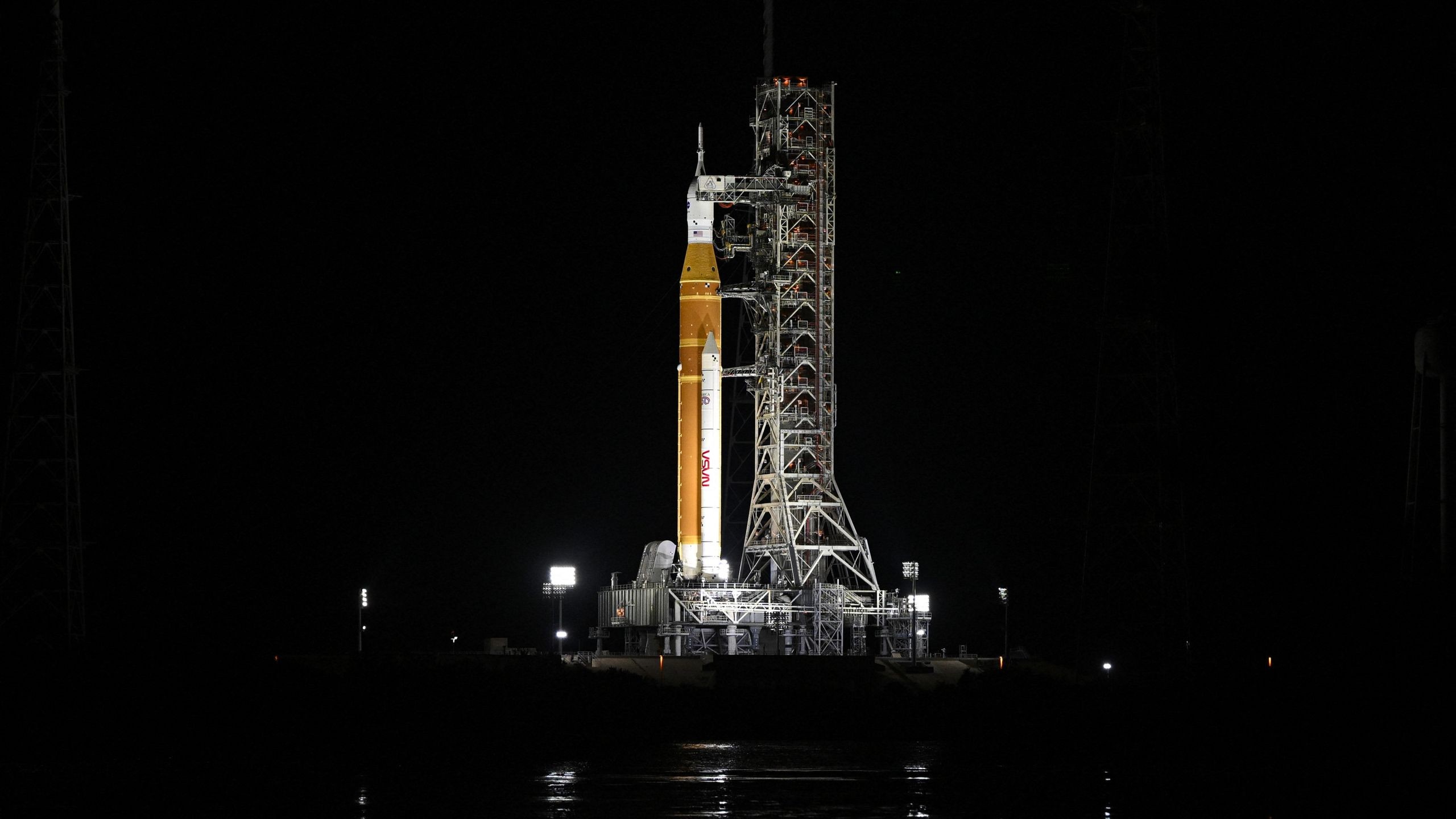
NASA is preparing for a second attempt at a crucial “wet dress rehearsal” for the Artemis II rocket on Thursday, February 19th. This test aims to validate the Space Launch System (SLS) rocket’s readiness for its planned crewed lunar mission, following a series of setbacks during initial trials.
Recurring Technical Challenges
The first fueling test, conducted earlier this month, was halted just minutes before the simulated launch due to escalating hydrogen leaks. Engineers traced the issue to faulty seals in the fuel lines, which have since been repaired. However, subsequent testing revealed further complications, including reduced fuel flow attributed to a problematic filter. NASA has since replaced the filter, though hydrogen leakage remains a core issue.
Hydrogen fuel, while historically reliable, is notoriously difficult to contain. Its unique properties—including a tendency to seep through solid materials and its extremely low boiling point—create persistent engineering challenges. NASA encountered similar leaks during Artemis I preparations in 2022, requiring multiple returns of the SLS rocket to the Vehicle Assembly Building.
The Significance of Artemis II
The Artemis II mission is set to be a landmark event, sending four astronauts on a ten-day journey around the moon. This will mark the first human lunar mission in over half a century and will include the first woman and Black astronaut to participate in a lunar crew.
Success hinges on testing critical systems before Artemis III, which aims to land astronauts on the moon by 2028. NASA’s long-term vision extends beyond lunar missions, with plans to establish a sustainable presence on the moon as a stepping stone toward eventual crewed missions to Mars.
Wet Dress Rehearsal: The Critical Test
To pass Thursday’s rehearsal, NASA must demonstrate its ability to safely fuel the SLS with over 700,000 gallons of cryogenic propellant and simulate a full launch sequence. This includes sealing the Orion spacecraft, which will carry the Artemis II crew on their mission.
The challenges highlight the inherent risks and complexities of spaceflight. Though setbacks are expected, NASA’s persistence in addressing these technical hurdles is essential for realizing its ambitious goals.
Spaceflight remains a delicate process, and the Artemis program has repeatedly demonstrated that even with decades of experience, unforeseen technical issues can arise. The ability to adapt and resolve these challenges will determine the success of future lunar and Martian missions.