NASA’s ambitious plans for a full-scale “decade of Venus” exploration are facing hard financial realities. Despite a recent budget increase, planetary science funding remains constrained, forcing the agency to make difficult decisions about which missions can proceed. The situation is particularly critical for the Europe-led Envision mission, where NASA’s participation is now uncertain.
Budget Pressures and Mission Priorities
The 2026 appropriations bill allocated $2.54 billion to NASA’s planetary science division, exceeding the administration’s initial request but still falling short of previous funding levels by approximately $200 million. According to Louise Prockter, director of NASA’s planetary science division, this shortfall means “not everything can continue forward or continue forward in the same way.”
This isn’t merely an internal NASA issue. The Envision mission, set to map Venus’ surface and atmosphere in detail, relies on a key NASA-provided instrument called VenSAR, a high-resolution radar system. However, the agency’s financial constraints are forcing ESA to explore alternative options, including having member states develop the radar domestically.
“We’re doing our best by Venus, but it is a tough environment, and not everything can move forward.” – Louise Prockter
This situation highlights a broader trend in space exploration: even with high-profile scientific goals, funding limitations can significantly alter mission scope and timelines.
The Race to Launch: DAVINCI Takes the Lead
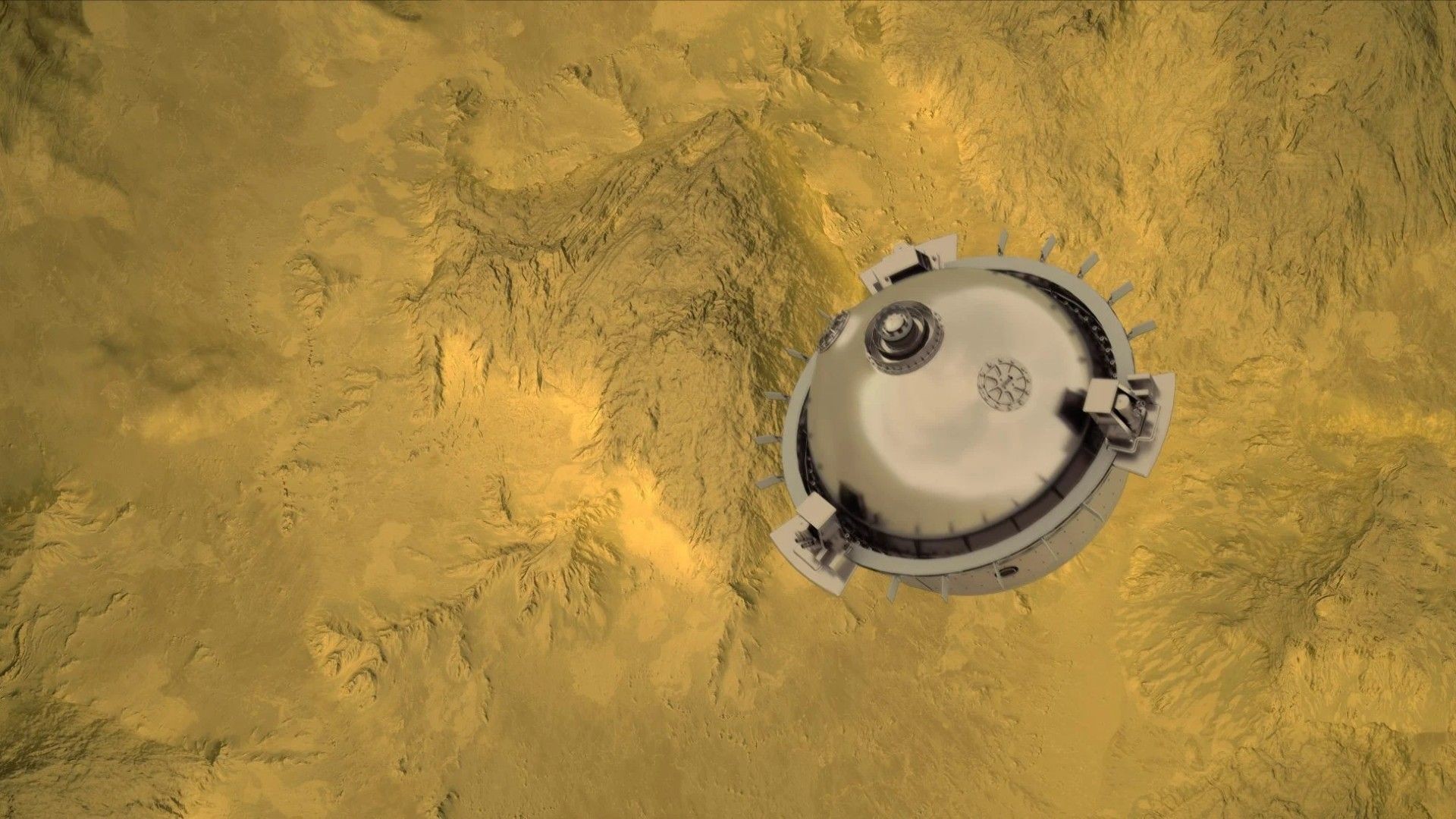
While Envision’s future remains uncertain, the NASA-led DAVINCI mission is moving forward, with a planned launch in December 2030 – earlier than previous estimates. This acceleration reflects a push to gather Venusian data as quickly as possible. DAVINCI will deploy a probe into Venus’ atmosphere, transmitting measurements and images until it reaches the surface.
The VERITAS mission is also progressing, though at a slower pace. The challenge for NASA is balancing the momentum of DAVINCI with the uncertain status of Envision, all while maintaining progress on VERITAS.
The Critical Launch Window
Keeping the Envision mission on schedule is paramount. Missing the 2033 launch window would delay the mission by at least three years due to planetary alignment constraints. This urgency underscores the delicate balance between scientific ambitions and logistical realities in deep space exploration.
Despite these challenges, NASA teams are continuing field work and data analysis, even with limited funding. As Natasha Johnson of the Goddard Space Flight Center put it, scientists are “doing more with less,” pushing forward despite the financial headwinds.
Ultimately, the fate of NASA’s Venus exploration strategy hinges on budgetary decisions and international collaboration. The agency is navigating a landscape where not all ambitious projects can be fully realized, and difficult trade-offs must be made to ensure that at least some progress is achieved.