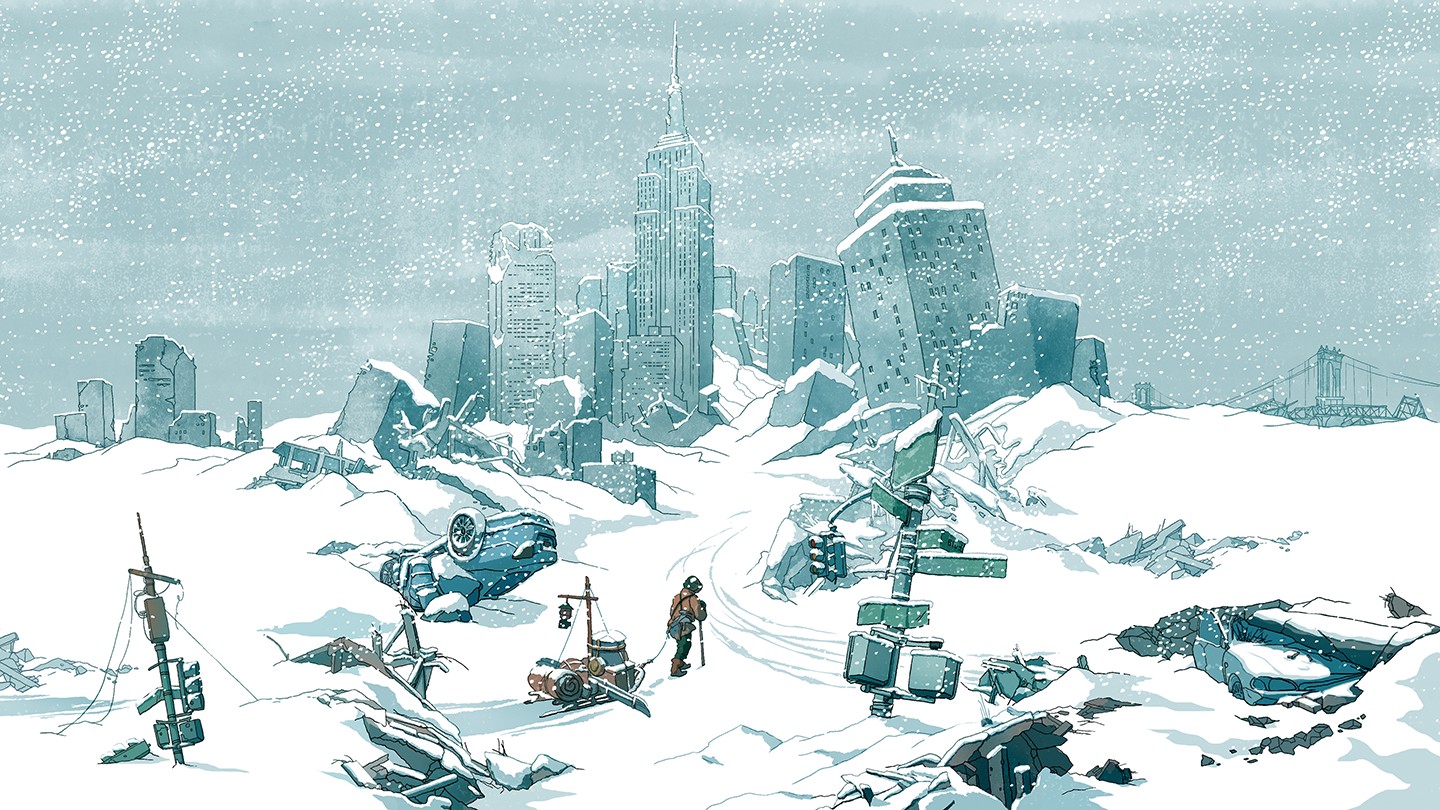
Science fiction loves ice ages: frozen wastelands, desperate survivors, and the rapid onset of extreme cold. From Snowpiercer to The Day After Tomorrow, these stories tap into a primal fear – that Earth could freeze over… quickly. While these scenarios often compress geologic timescales into weeks or months for dramatic effect, the underlying science isn’t entirely fiction. Earth has experienced periods of total or near-total glaciation, and understanding how those happened is crucial, even if the next deep freeze won’t arrive overnight.
The Cryogenian Period: Earth’s Deep Freeze
Between 720 and 635 million years ago, during the Cryogenian Period, the planet endured at least two “Snowball Earth” events. Glaciers extended from pole to pole, covering almost the entire surface in ice. However, recent research suggests it may have been more of a “Slushball Earth,” with patches of open water near the equator allowing some life to survive. The key takeaway: extreme glaciation is a proven historical reality.
How Did Earth Freeze Over? The Slow Burn of Geology
These past deep freezes weren’t sudden. They stemmed from long-term geological processes. Specifically, the breakup of supercontinents led to increased weathering, drawing down atmospheric carbon dioxide and triggering runaway cooling. Ice sheets then amplified the effect by reflecting sunlight back into space, further reducing heat absorption. The crucial point: these are slow processes unfolding over millions of years, not weeks.
Sci-fi leverages these natural climate interactions, speeding them up for dramatic effect. For example, The Day After Tomorrow hinges on the potential collapse of the Atlantic Meridional Overturning Circulation (AMOC), a global ocean current that distributes heat. While a slowdown or shutdown of the AMOC could contribute to an ice age, scientists estimate this would unfold over decades to centuries – not the days depicted in the film.
Geoengineering and the Risk of Rapid Cooling
Snowpiercer presents another scenario: geoengineering gone wrong. The idea is based on solar radiation management, where aerosols are released into the atmosphere to reflect sunlight. While this could theoretically cool Earth, the timescale for a drastic freeze is far longer than the weeks shown in the story. To induce a true ice age this way would require sustained and deliberate aerosol injection over generations.
The Future of Deep Freezes: Slow, Not Sudden
The ongoing debate about Earth’s climate stability underscores why these fictional scenarios resonate. While a rapid, catastrophic freeze isn’t imminent, the planet is susceptible to climate shifts. Current concerns about the AMOC weakening and the potential for runaway feedback loops are valid, even if they won’t trigger an ice age overnight. The real threat isn’t an instant freeze, but a gradual decline into colder conditions that could destabilize ecosystems and human societies.
Ultimately, science fiction exaggerates timelines for entertainment. But the underlying science reminds us that Earth’s climate has been dramatically different in the past, and while another total glaciation is unlikely in the short term, understanding the mechanisms behind past freezes is essential for navigating our planet’s future.