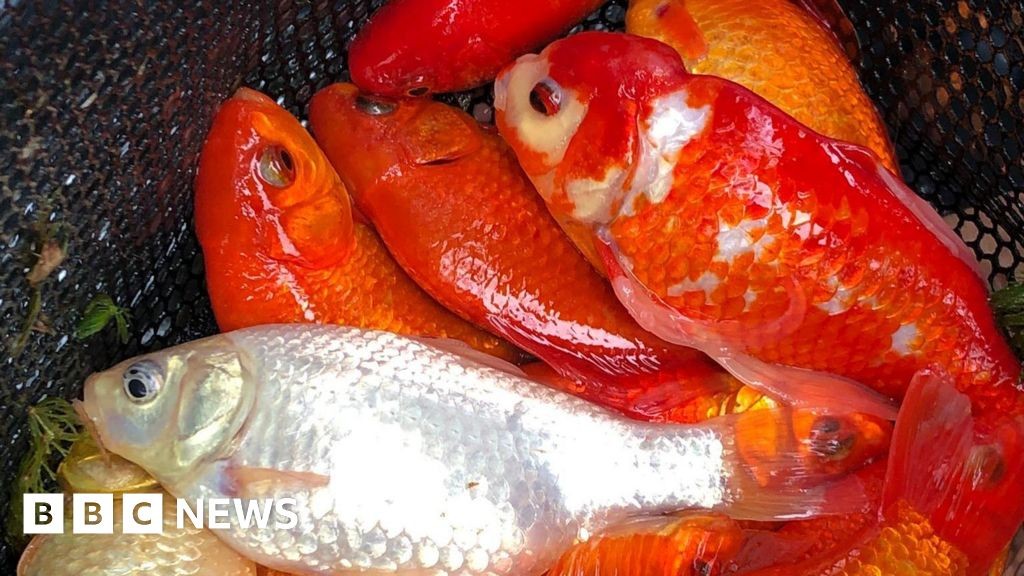
A conservation effort to protect the UK’s native crucian carp has been jeopardized by the release of ornamental goldfish into a protected lake near Cambridge. The Environment Agency (EA) is currently engaged in a race against time to remove the invasive species from Halls Pool at Milton Country Park, warning that the presence of these non-native fish poses a severe threat to the local ecosystem.
A Fragile Ecosystem at Risk
The crucian carp is a protected native species in the UK, valued for its unique genetic makeup and ecological role. For years, the Environment Agency has collaborated with staff at Milton Country Park to transform one of its ponds into a safe haven for this species. The initiative has been largely successful; the carp have thrived in the lake’s weedy conditions, allowing conservationists to capture several hundred individuals and establish a second population in a nearby lake.
However, this progress has been undermined by the recent introduction of 20 goldfish into Halls Pool. These ornamental fish were likely released by individuals seeking to dispose of pets that had outgrown their home tanks—a common but harmful practice known as “recreational release.”
The Biological Danger
The threat posed by goldfish is not merely one of competition for resources; it is a fundamental biological risk. The Environment Agency highlights two primary dangers:
- Disease Transmission: Goldfish can carry pathogens and viral infections that native crucian carp have no immunity against, potentially wiping out the entire stock.
- Genetic Hybridization: Goldfish and crucian carp are closely related and can interbreed. This hybridization dilutes the unique DNA structure of the native crucian carp, effectively erasing the distinct species from that location.
“Unless we remove all of the goldfish, we may have lost this lake forever in terms of the true crucian carp population,” the Environment Agency stated.
The Cleanup Effort
In response to the incident, EA staff have launched a removal operation. So far, they have successfully caught 15 of the 20 goldfish, and a child visiting the park caught another. Conservationists are now focused on locating and removing the remaining four fish to prevent any further damage to the native population.
A Call for Responsible Pet Ownership
The Environment Agency emphasizes that while the release of the goldfish was likely unintentional and without malice, the ecological consequences are severe. Introducing ornamental fish into wild waterways disrupts delicate balances and threatens biodiversity.
The agency urges pet owners to consider the long-term needs of their aquatic pets. If fish outgrow their tanks or ponds, the responsible course of action is to rehome them in fully enclosed ornamental systems rather than releasing them into rivers, lakes, or parks. This simple step can prevent irreversible harm to native wildlife and preserve the natural heritage of local waterways.
Conclusion: The incident at Milton Country