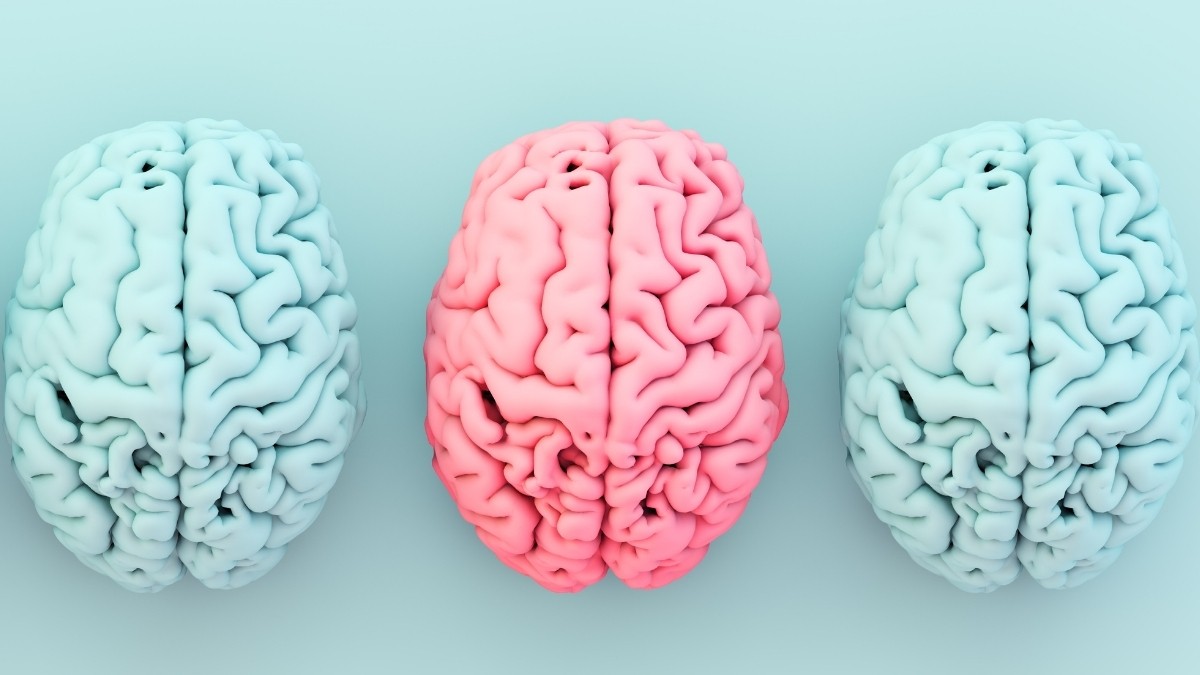
New research reveals a concerning link between obesity, low choline levels, and accelerated brain aging, potentially increasing the risk of neurodegenerative diseases like Alzheimer’s. The study, led by researchers at Arizona State University (ASU), suggests that insufficient choline combined with the metabolic stresses of obesity may serve as early warning signs for cognitive decline.
The Critical Role of Choline
Choline is an essential nutrient vital for overall health, playing a key role in brain development and function. Insufficient intake, coupled with obesity-related inflammation, appears to accelerate neuronal damage – a hallmark of diseases like Alzheimer’s. This isn’t just about dietary deficiencies; it’s about how these factors interact to compromise brain health over time.
“This research adds to the growing evidence that choline is a valuable marker of metabolic and brain dysfunction – and reinforces the importance of sufficient daily intake, as it is essential for human health,” says neurobiologist Ramon Velazquez, from ASU.
How the Study Uncovered the Connection
Researchers compared 15 individuals with obesity (average age 33.6) to a control group of healthy participants. Analyses revealed that obese individuals had significantly lower circulating choline levels, elevated inflammatory biomarkers, and higher levels of neurofilament light (NfL) – a protein indicating neuron damage.
Crucially, this same pattern – low choline and high NfL – was observed in post-mortem brain tissue from individuals with Alzheimer’s or mild cognitive impairment (MCI). While the study cannot definitively prove cause-and-effect, it strongly suggests a correlation between these factors.
Why This Matters
The rising prevalence of obesity and choline deficiencies is a growing public health concern. Alzheimer’s is expected to affect tens of millions worldwide in the coming decades, making preventative measures like optimizing choline intake increasingly important. The study highlights that metabolic health and adequate nutrient levels in young adulthood may lay the foundation for healthy aging.
Simple Steps to Boost Choline Intake
The good news is that increasing choline intake is achievable through diet. Excellent sources include eggs, fish, poultry, beans, and cruciferous vegetables.
“Most people don’t realize they aren’t getting enough choline,” says biochemist Wendy Winslow, from ASU. “Adding choline-rich foods to your routine can help reduce inflammation and support both your body and brain as you age.”
This research reinforces the importance of proactive health management, reminding us that dietary choices and metabolic well-being play a critical role in long-term cognitive function. Further studies are needed to fully understand the link, but the findings suggest that boosting choline intake may be a simple yet powerful preventative measure against neurodegeneration.