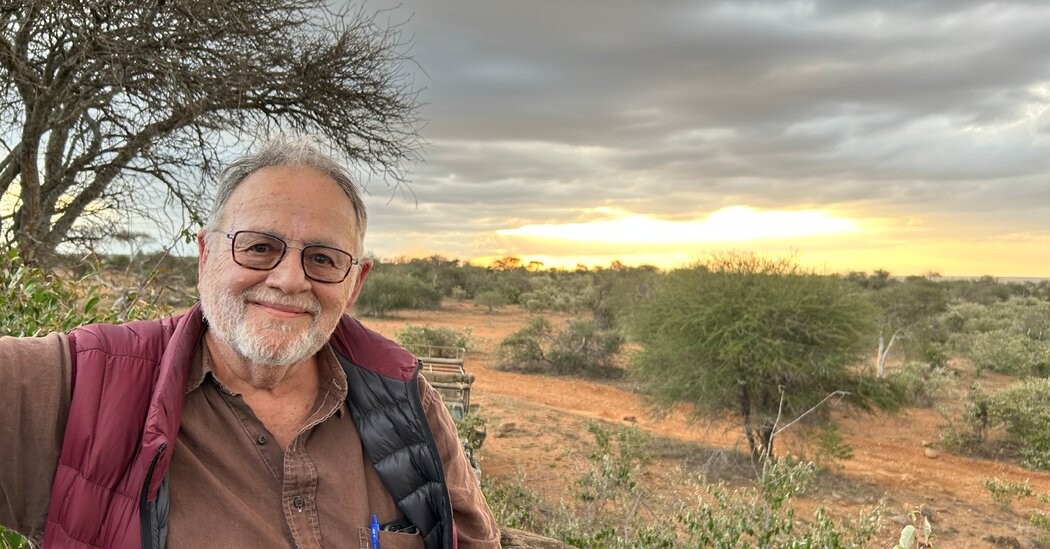
Pedro A. Sanchez, a pioneering soil scientist whose work dramatically increased crop yields in developing nations, passed away on January 12th at his home in Massachusetts. He was 85 years old and had been living with end-stage dementia, according to his daughter, Jennifer Goebel.
From Cuban Roots to Global Impact
Born in Cuba to a fertilizer salesman, Sanchez’s early exposure to agriculture sparked a lifelong dedication to improving food production. He earned his degree in agronomy from Cornell University and dedicated his career to revitalizing impoverished soils in tropical regions – areas where food insecurity was a daily reality for millions.
Extending the Green Revolution to Africa
Sanchez played a pivotal role in adapting the successes of the Green Revolution, a mid-20th century agricultural transformation that tripled food production in Asia and Latin America, to the unique challenges of sub-Saharan Africa. While the Green Revolution had its critics (often due to the dependence on fertilizers and pesticides), Sanchez focused on sustainable methods to improve soil fertility.
A Legacy of Increased Yields and Self-Sufficiency
In 2002, he received the prestigious World Food Prize – often considered the Nobel equivalent for food and agriculture – for his groundbreaking work. The award specifically cited his achievements in:
- Helping Peru achieve rice self-sufficiency.
- Transforming an arid region of Brazil, comparable in size to Western Europe, into productive farmland.
- Implementing programs across Africa that increased crop yields by up to fourfold for over 250,000 smallholder farmers.
“By pioneering ways to restore fertility to some of the world’s poorest and most degraded soils,” the prize citation stated, “Dr. Sanchez has made a major contribution to preserving our delicate ecosystem, while at the same time offering great hope to all those struggling to survive on marginal lands around the world.”
His work wasn’t just about increasing food output; it was about empowering communities to feed themselves sustainably. Sanchez demonstrated that even the most degraded land could be productive with the right science and implementation. His death marks the loss of a critical figure in the fight against global hunger, whose legacy will continue to shape agricultural practices for years to come.
Sanchez’s career represents a vital but often overlooked aspect of food security: the fundamental importance of soil health in sustaining populations. The challenge now falls on the next generation of agricultural scientists to build on his innovations and address the growing pressures of climate change and resource scarcity.