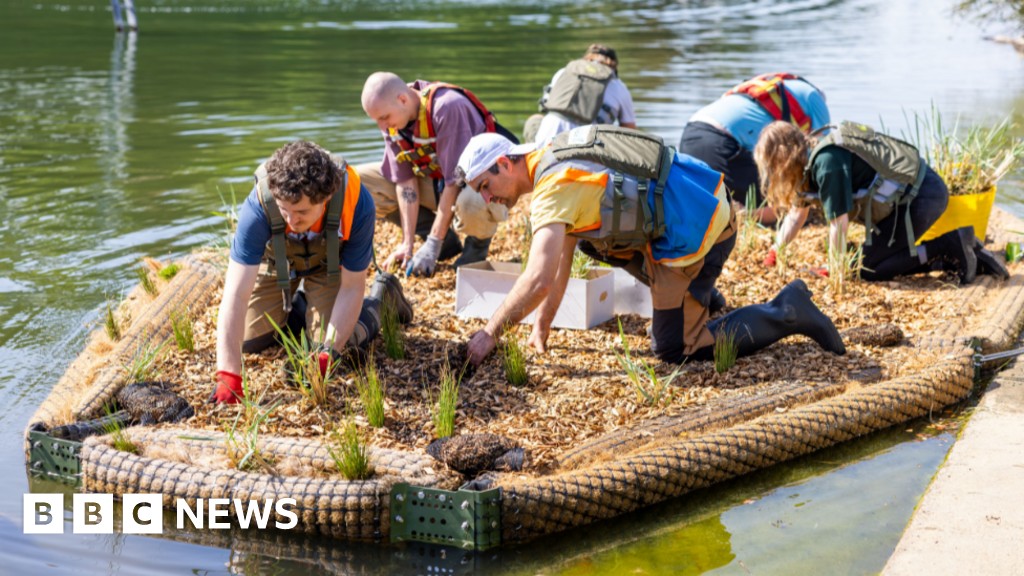
A pioneering collaboration between the University of Portsmouth and Southern Water is set to test a novel approach to environmental restoration: the deployment of floating wetlands. By installing specially designed rafts into coastal waters, the project aims to “reclaim” habitats in areas where natural ecosystems have been replaced by concrete seawalls and flood defenses.
The Crisis of Vanishing Habitats
The urgency of this project is driven by a staggering environmental decline. According to researchers, more than 85% of aquatic and marine vegetation —including vital species like saltmarsh, seagrass, and kelp—has been lost over the last 50 years.
This loss is not merely aesthetic; it represents a collapse of the biological foundations of our oceans. These habitats act as:
– Natural nurseries for fish and diverse marine life.
– Water filtration systems that improve local water quality.
– Protective barriers that help stabilize coastal environments.
As urban development and hard infrastructure (like concrete barriers) continue to expand, the natural “green” spaces required for these functions are being squeezed out.
Engineering a “Floating Saltmarsh”
The core innovation of this project lies in its ability to create habitat where land is no longer available. By using floating rafts to host saltmarsh plants, the team is essentially building a mobile, buoyant ecosystem.
While floating systems have been tested before, this project is pushing boundaries by trialing marine species on these rafts—a feat that has only been attempted six times previously. The goal is to create a functional “floating saltmarsh” that can thrive in heavily modified coastal zones, providing refuge for marine species and rebuilding biodiversity in areas previously considered “dead” zones.
Testing and Scalability
The research is currently underway at the Southcoast Wake Park in Portsmouth. To ensure the project provides genuine ecological value, scientists are employing a rigorous “before-and-after” monitoring strategy. Key metrics include:
1. Water quality improvements resulting from plant filtration.
2. Biodiversity gains as new species colonize the rafts.
3. Ecosystem resilience against environmental stressors.
If these trials prove successful, the implications are significant. Southern Water suggests that this technology is not just a local fix but a scalable solution that could be deployed across the UK in both marine and freshwater environments.
“By creating a floating saltmarsh, we are reintroducing habitat into spaces where it has been completely lost to development,” notes Dr. Ian Hendy of the Institute of Marine Sciences.
Conclusion
This project represents a shift toward “active” restoration, using engineering to bypass the limitations of urbanized coastlines. If successful, floating wetlands could provide a vital blueprint for rebuilding biodiversity in the face of global habitat loss.