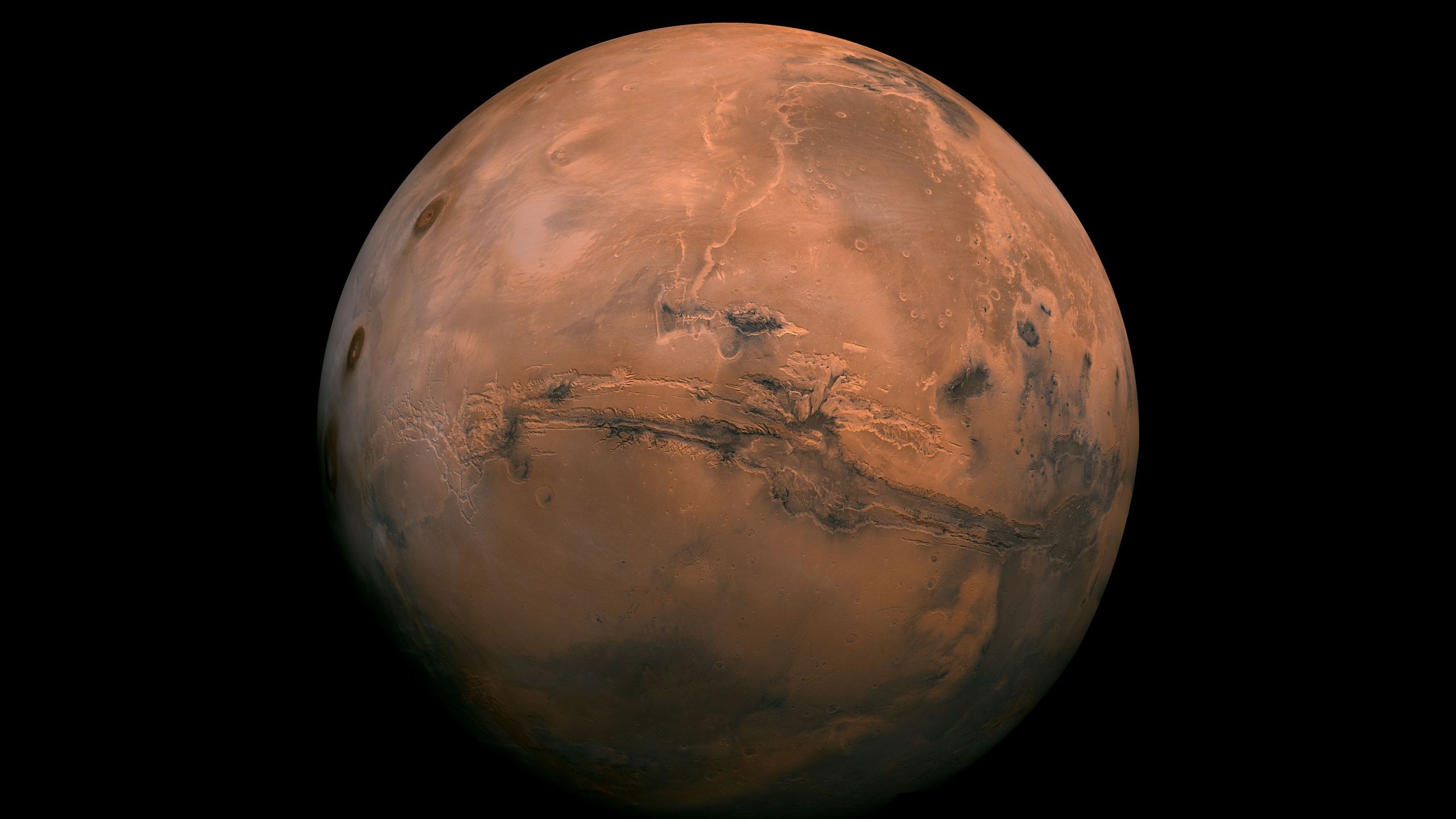
A new study suggests that life may not have originated on Earth at all, but could have been transported here via asteroid impacts from Mars. Researchers found that extremely resilient bacteria can survive pressures comparable to those generated by planetary collisions, raising the possibility that microbes could travel between worlds. This challenges conventional thinking about the origins of life and has implications for space exploration protocols.
The Lithopanspermia Theory Gains Traction
The findings, published in PNAS Nexus, support the controversial theory of lithopanspermia. This concept proposes that life spreads through space on rocks ejected by asteroid strikes. While unproven, the new research adds weight to the idea that early Earth could have been “seeded” by Martian microbes. The debate is fueled by the ongoing search for evidence of past or present life on Mars, with some recent discoveries hinting at potential biological activity.
How the Study Was Conducted
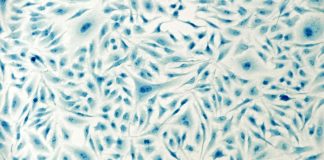
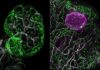
Researchers subjected Deinococcus radiodurans – nicknamed “Conan the bacterium” for its extreme durability – to simulated asteroid impact pressures. The bacterium was chosen for its ability to withstand intense radiation, dehydration, and temperature extremes, all common conditions in space.
The experiment involved sandwiching the microbes between steel plates and firing a projectile at up to 300 mph (480 kph). This generated pressures between 1 and 3 gigapascals. For context, the deepest point in Earth’s oceans exerts roughly 0.1 gigapascals of pressure, meaning the experiment simulated conditions far beyond what life is typically thought to endure.
Shocking Survival Rates
The results were remarkable: nearly all of the bacteria survived impacts generating 1.4 gigapascals of pressure, and over 60% lived through even higher forces at 2.4 gigapascals. The surviving cells showed increased activity in DNA repair and cell membrane maintenance genes, suggesting they actively adapted to the extreme conditions.
As one researcher put it, “We kept trying to kill it, but it was really hard to kill.” The experiment only ended when the equipment itself failed before the bacteria did.
Implications for Planetary Protection
The findings raise questions about how we approach planetary protection. If life can travel between worlds, current protocols designed to prevent contamination may need to be reevaluated. The study also highlights the resilience of life and challenges assumptions about where it might exist in the solar system.
The ability of microbes to survive interplanetary journeys fundamentally changes how we think about the possibility of life beyond Earth.
The question of whether life originated on Mars remains open, but this research provides compelling evidence that such a scenario is plausible.