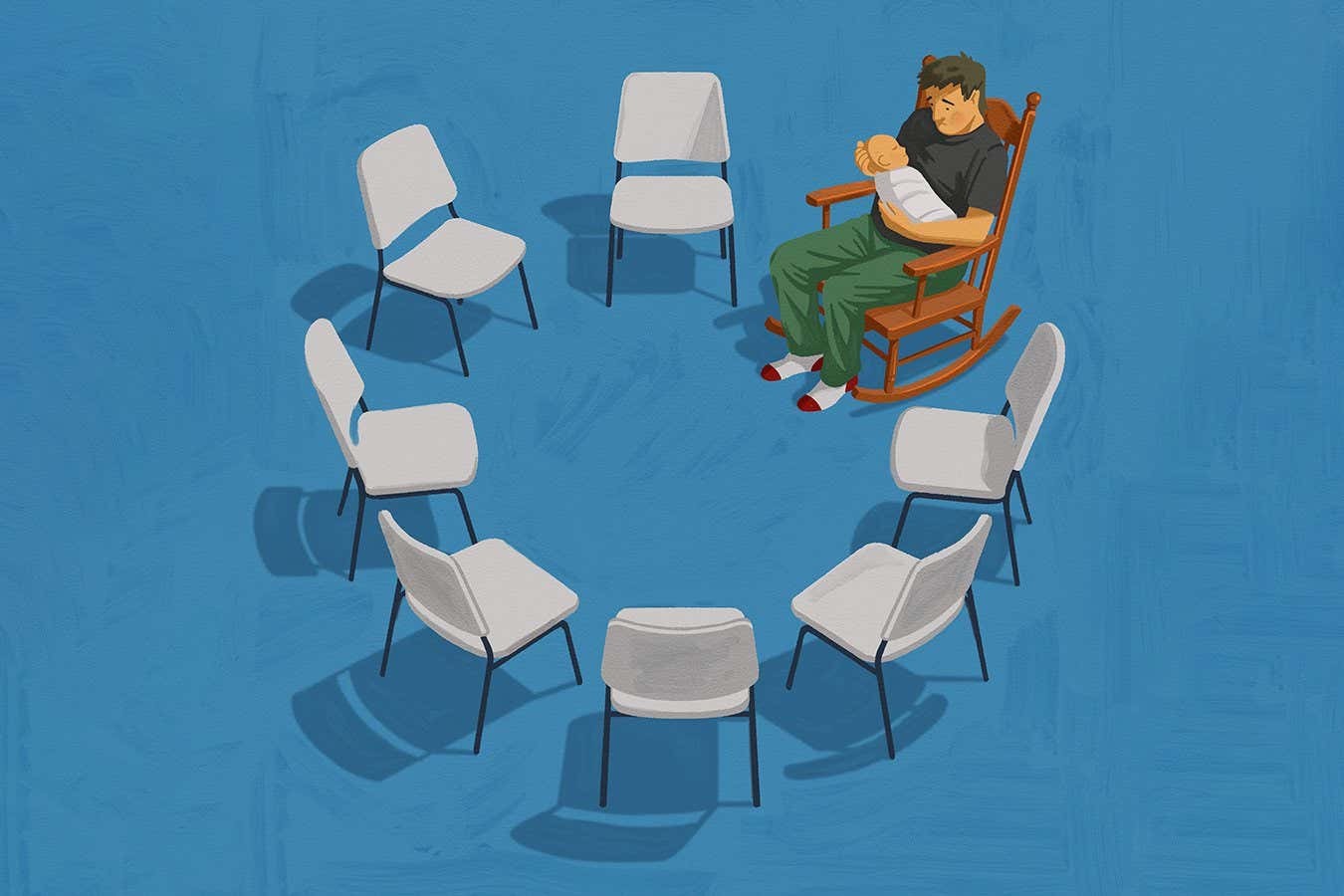
For years, postpartum depression (PPD) has been largely understood as a maternal issue. However, a growing body of evidence reveals that fathers experience PPD at roughly the same rate as mothers—around 8.4% versus 13%—and the consequences can be severe. This overlooked mental health crisis is now receiving long-overdue attention, as research exposes the scale of the problem and highlights the need for tailored screening and treatment.
The Silent Struggle: Why Paternal PPD Was Overlooked
Many fathers suffer in silence, often believing they should focus on supporting their partners rather than voicing their own struggles. Mat Lewis-Carter, a London-based personal trainer, recalls spiraling into suicidal thoughts after his daughter’s birth, only discovering the term “PPD in dads” by chance on page three of Google search results. This delay in recognition underscores a systemic issue: until recently, paternal PPD was rarely discussed, screened for, or treated.
The lack of awareness isn’t accidental. Early motherhood is difficult and resources for mothers have been improving. However, services for fathers lag far behind. In England, only 20% of NHS trusts have specialist resources for perinatal mental health in fathers, while Australia sees over a third of first-time dads face barriers to accessing care. The WHO’s 2022 report admitted that partners often feel they have no right to support.
The Deadly Risks: Suicide and Family Impact
Recent studies are sounding the alarm. Research from Swansea University found that suicide rates among new fathers are seven times higher than among mothers. Beyond immediate danger, untreated PPD in fathers carries wider implications, impacting children’s social-emotional development. This realization is driving a shift in policy and support.
Flawed Tools and Better Alternatives
Current diagnostic methods are often inadequate. The Edinburgh Postnatal Depression Scale (EPDS), the most common screening tool, was designed for mothers and may miss key male symptoms like irritability, substance use, or withdrawal. Studies in Austria and Singapore show that male-specific scales, such as the Male Depression Risk Scale and Gotland Male Depression Scale, offer more accurate detection rates.
Experts recommend that clinicians move away from the EPDS, especially in cultures where men face pressure to suppress emotions. A 2025 study in Singapore found male depression scales detected cases at a rate 50% higher than the EPDS.
Reframing Treatment: Beyond Traditional Therapy
Traditional interventions, like medication and one-on-one therapy, are less likely to be sought by fathers. Some see therapy as emasculating, and studies suggest it may be less effective for men. Researchers at Canada’s University Health Network are pioneering group-based psychosocial interventions, framing them as “training programs” rather than therapy to reduce stigma.
Early results show that these interventions not only reduce depressive symptoms but also improve children’s well-being. Other approaches include “guy-friendly” therapy sessions that validate masculine self-reliance while gently challenging harmful norms.
Proactive Prevention: The Role of Technology
The future lies in prevention. Online self-guided programs, already successful for mothers, are now being adapted for fathers. Australia’s SMS4dads, a free text message service, sends regular check-ins to new and expectant fathers. Early trials suggest it reduces isolation and encourages help-seeking behavior. Similar programs are being piloted in Europe and Africa.
Research also points to biological factors, such as hormonal shifts in fathers (lower testosterone, higher estrogen), and the impact of partners’ mental health. A recent study found an 81% increase in PPD among fathers whose partners developed postpartum depression with no prior history. This underscores the need for family-centered care.
Policy Shifts and Future Outlook
Momentum is building. The UK recently launched its first Men’s Health Strategy, and Australia created a ministerial cabinet position to oversee men’s health. These changes, combined with ongoing research and improved screening tools, signal a long-overdue reckoning with paternal PPD.
The stigma remains, but awareness is growing. As researchers unravel the complexities of male depression and policymakers prioritize men’s mental health, fathers are finally beginning to receive the support they deserve.