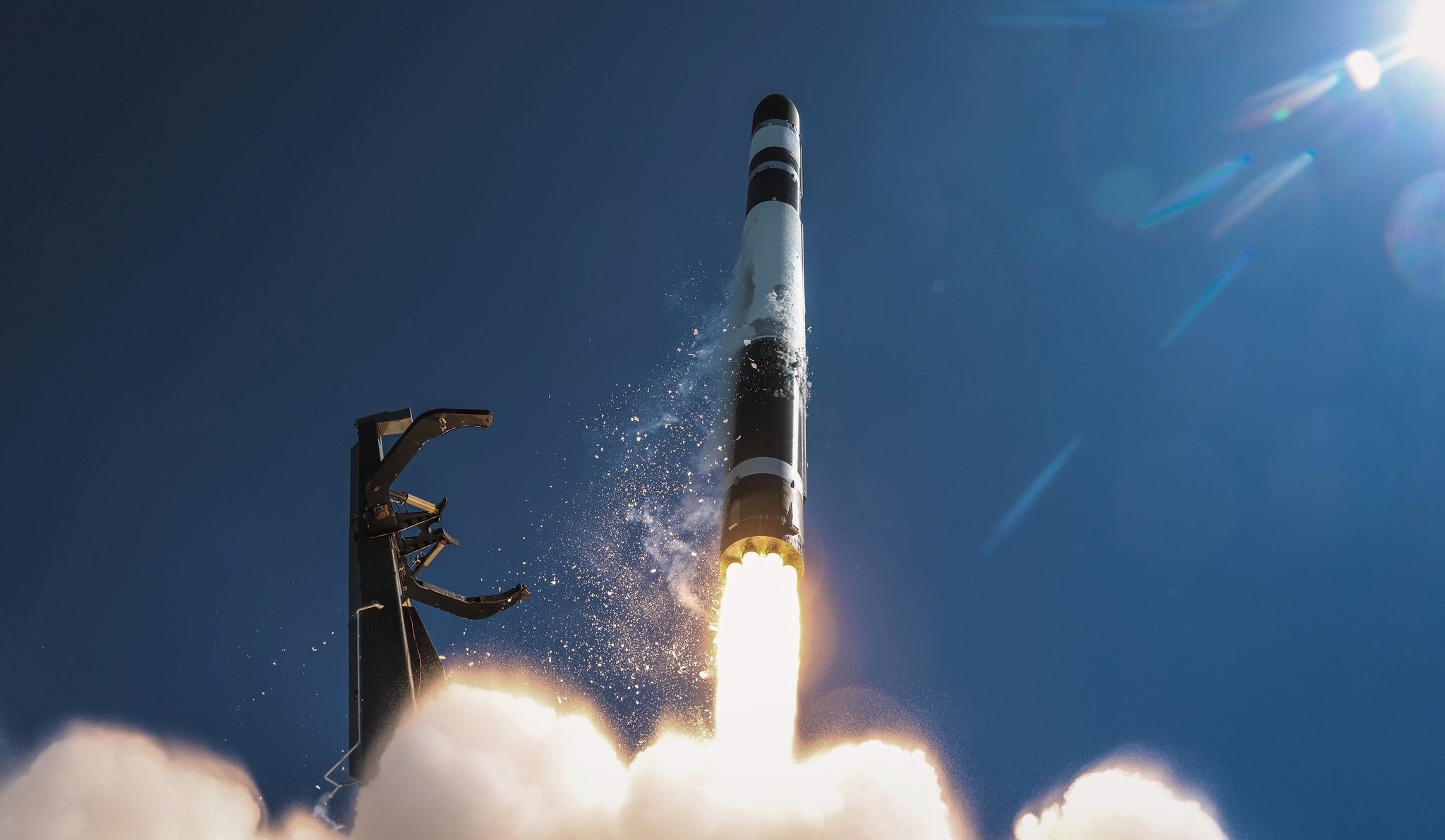
Rocket Lab is set to launch the first two satellites for Europe’s groundbreaking Celeste navigation constellation early Wednesday, March 25th. The launch, dubbed “Daughter of the Stars,” marks a significant step forward for European space technology and a new approach to satellite navigation.
Celeste: A New Layer for European Navigation
The Celeste program represents Europe’s inaugural effort to establish a satellite-navigation system in low Earth orbit (LEO). Unlike existing systems like Galileo, which operate in medium Earth orbit (MEO), Celeste will fly much closer to the planet. This proximity is intentional: ESA officials state the LEO layer will complement the Galileo system, enhancing its resilience, performance, and enabling new service capabilities.
This isn’t about replacing Galileo. Instead, it’s about building redundancy and improving signal availability, particularly in challenging environments where MEO satellites struggle. LEO satellites can provide faster signal updates, lower latency, and better coverage in urban canyons or mountainous regions.
Launch Details and Timeline
The launch will occur from Rocket Lab’s New Zealand launch complex at 5:14 a.m. EDT (0914 GMT; 10:14 p.m. local New Zealand time). An Electron rocket will carry the two satellites to a circular orbit approximately 317 miles (510 kilometers) above Earth.
Deployment is planned to occur rapidly: the first satellite will separate from the rocket 20 minutes after launch, followed by the second just four minutes later. This quick deployment ensures minimal delay in activating the new navigation layer.
The Bigger Picture: Why This Matters
The Celeste program isn’t just a technical demonstration; it signals a strategic shift in how Europe approaches space-based infrastructure. By diversifying its satellite network across multiple orbits, ESA aims to minimize vulnerability to disruptions – whether from natural events or geopolitical factors.
This launch also highlights the growing role of commercial launch providers like Rocket Lab in enabling cutting-edge space missions. The Electron rocket has become a reliable workhorse for deploying small and medium-sized satellites, making LEO constellations more accessible than ever before.
The first phase of Celeste calls for 11 satellites in total. If Wednesday’s launch succeeds, Europe will take a significant step toward a more robust, adaptable, and future-proofed navigation system.