New Year’s resolutions are often dismissed as fleeting trends, but a well-defined fitness goal can drive lasting change. After finally completing a half-marathon in 2025 – a feat I’d repeatedly failed at before – I’ve learned that specificity is key. The difference this time? A measurable objective that forced consistency, even when motivation waned.
Why Vague Goals Fail
Many resolutions fall apart because they lack concrete direction. Saying “I’ll start running” is far less effective than aiming to complete a race. Fitness is demanding, especially initially. Without a fixed target, it’s easy to rationalize quitting when progress feels slow. The half-marathon kept me focused, forcing me to integrate running into my routine despite initial reluctance. Now, I enjoy it regularly – a habit born from a single, ambitious goal. Research backs this up: a 2020 study found that 55% of participants successfully sustained their New Year’s resolutions a year later.
Mobility: The Overlooked Aspect of Fitness
For 2026, I’m shifting focus to an often-neglected area: mobility. This refers to the body’s full range of motion, vital for injury prevention. A 2019 analysis of 20 studies demonstrated that individuals with poor mobility were 50% more likely to sustain injuries compared to those with greater flexibility.
This isn’t just about athletic performance. Greater flexibility is linked to overall health and even longevity. One study of over 3,100 people revealed that increased flexibility correlated with a significantly reduced risk of death over a 13-year period. Stretching also improves cardiovascular health: research shows regular stretching can decrease arterial stiffness and lower blood pressure.
My 2026 Goal: Achieving the Splits
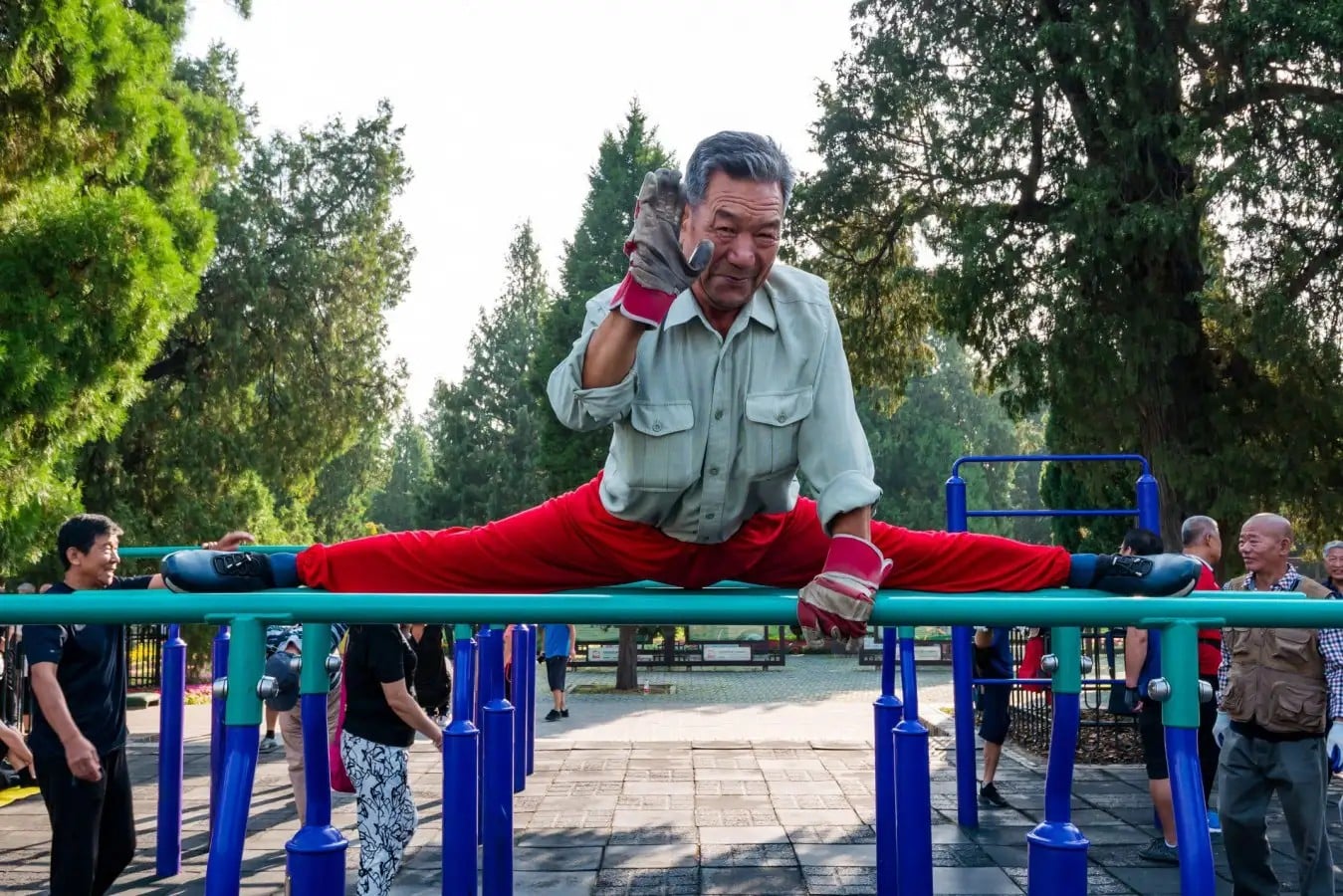
To build this habit, my New Year’s resolution is deceptively simple: to do the splits. It may seem unusual, but the concrete nature of this goal will force me to commit to a consistent mobility routine.
Beyond the Splits: The Principle of Concrete Objectives
The specifics don’t matter as much as the clarity. If you want strength, aim for an unassisted pull-up. For longevity, focus on improving single-leg balance. The key is to choose a resolution with a defined finish line – something you can objectively measure and celebrate upon completion.
Ultimately, setting a specific, measurable fitness goal isn’t just about achieving a short-term result; it’s about building lasting habits that improve your health and well-being.