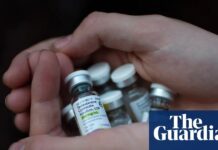
Influencers are openly promoting unapproved and potentially dangerous peptides on platforms like TikTok, turning kitchen counters into makeshift labs. The appeal is simple: access to weight loss drugs like retatrutide (often called GLP-3) without a prescription, at a fraction of the cost. But behind the viral tutorials and discount codes lies a murky world where purity is questionable, safety is unverified, and the risks are high.
The process is disturbingly accessible. Videos show users reconstituting powdered peptides with syringes, alcohol swabs, and bacteriostatic water, often without basic hygiene practices like handwashing or surface disinfection. Dosage calculations are left to online calculators, and storage instructions are vague at best.
This isn’t just a fringe phenomenon. Demand for GLP-1 medications like Ozempic and Wegovy has surged, leading to shortages and pushing some consumers toward compounding pharmacies and, increasingly, the unregulated gray market. Compounding pharmacies offer a legal alternative for custom drugs when commercial options fail – allergies, insurance denials, or limited availability can drive patients to these services. But the gray market operates outside those boundaries.
The Difference Between Safe and Sketchy
The core problem is verification. Gray market vendors often claim “99% purity” with lab certificates, but these don’t guarantee safety. Annie Lambert, a pharmacist and compounding specialist, explains the difference between purity and potency. Purity refers to contaminants, while potency ensures the correct dosage of the active ingredient. Retatrutide, an unapproved drug still in clinical trials, has no official monograph – no standardized testing or quality control benchmarks.
This means that even “third-party lab testing” may be meaningless without an agreed-upon standard. The real question is not just what is in the vial, but how it was made, stored, and tested.
The Risks Are Real
The FDA explicitly states that retatrutide is not an approved drug, and its unregulated sourcing introduces severe risks:
- Unknown Composition : The vial might contain the wrong substance entirely.
- Contamination : Improper handling and storage can lead to dangerous impurities.
- Dosage Errors : Without proper verification, you could inject an unsafe amount.
Even legitimate compounding pharmacies aren’t risk-free, but they operate under stricter regulations, including sterility testing, ingredient verification, and state board oversight. Gray market suppliers often bypass these standards entirely.
How to Spot a Red Flag
If you’re considering alternatives to traditional healthcare routes, ask these questions:
- What pharmacy is this coming from? Legitimate services will disclose their source.
- Is the pharmacy licensed in your state? Check state boards of pharmacy for verification.
- What certifications do they have? USP 797 standards for sterilization are a must.
- Where do they source ingredients? Transparency about API origins is essential.
- Can you contact someone with questions? Avoid vendors who hide behind anonymous channels.
The market is flooded with misleading claims. Some vendors offer discount codes and influencer endorsements, but these don’t replace proper quality control.
Ultimately, the decision rests on individual risk tolerance. Desperation, broken healthcare systems, and societal pressures can drive people toward unapproved drugs. But before injecting an unknown substance into your body, consider the potential consequences: the gray market of peptides offers convenience at a steep price.