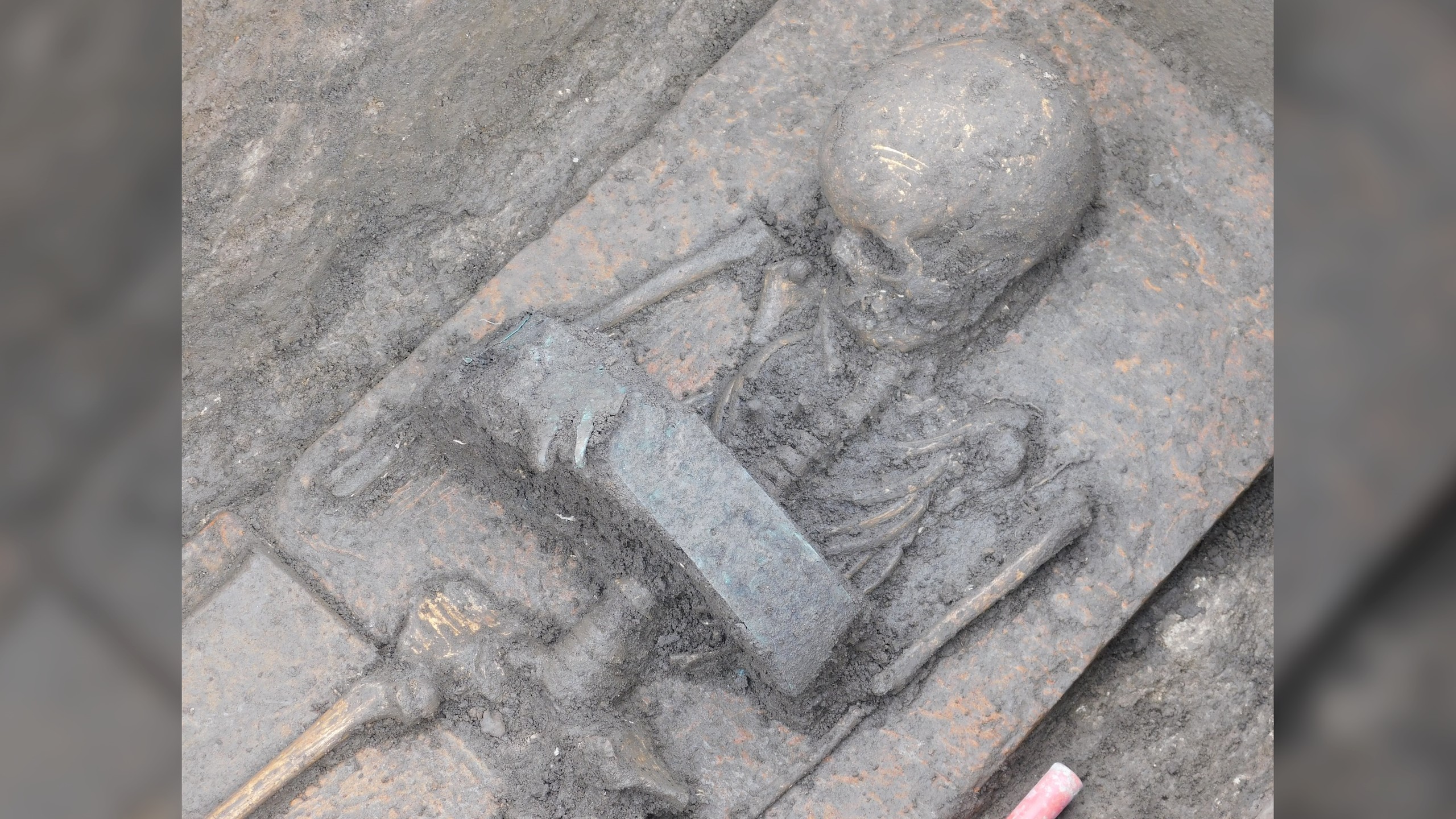
Archaeologists in Pontecagnano, Italy, have unearthed a startling discovery: the graves of two children, aged 5 to 10, buried with large bronze belts traditionally reserved for adult male warriors of the pre-Roman Samnite culture. This finding challenges established understandings of Samnite burial practices, where gender-specific grave goods were the norm. The discovery underscores a fascinating anomaly in how the Samnites prepared their young for adulthood.
A 2,500-Year-Old Cemetery Reveals Unexpected Rituals
The excavation, conducted at a site near a former tobacco factory, uncovered 34 burials dating back to the fourth and third centuries B.C. Roughly half of these contained the remains of children. The presence of bronze belts—typically associated with spearheads, javelins, and other warrior equipment—on these young individuals raises critical questions. Prior discoveries at Pontecagnano have revealed at least one other instance: a 12-year-old child also buried with such a belt.
Pontecagnano: A Crossroads of Ancient Cultures
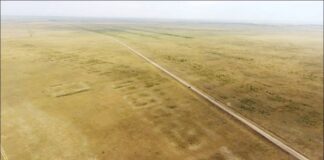
Pontecagnano’s history is layered. First settled in the ninth century B.C. by the Villanovan culture, who brought advanced bronzeworking skills, the city evolved into a commercial hub under Etruscan control, serving Greek, Phoenician, and Italian traders. By the fifth century B.C., the warlike Samnites dominated the region, establishing Pontecagnano as a key settlement until its Roman conquest in the third century B.C. The site’s cemeteries have been excavated since the 1960s, revealing over 10,000 tombs spanning nearly six centuries.
Why Warrior Gear for Children?
The purpose behind burying young boys with adult male warrior accessories remains unclear. Some theories draw parallels to similar discoveries in sixth-century A.D. Anglo-Saxon England, where boys were buried with belts and weapons, potentially signifying the men they were expected to become. This suggests a ritualistic projection of adulthood onto the children—a symbolic preparation for a warrior’s life.
Ongoing Excavations and Future Insights
Research is ongoing, driven by public and private construction projects in Pontecagnano. The full scope of these findings remains unpublished as the Superintendency of Archaeology, Fine Arts and Landscape of Salerno and Avellino prepares a comprehensive report. The ongoing excavations promise to refine our understanding of Samnite culture and burial traditions, potentially revealing more about their social structures and beliefs.
The discovery highlights how the Samnites may have viewed childhood and the expectations placed upon young males within a warrior society. It’s a striking example of how burial rituals can reveal unexpected insights into ancient cultural practices.