Generative AI is erasing the line between real and fake. Fast. Hard. Irreversible. We used to trust our eyes. That trust is gone now.
“Seeing is no longer believing.”
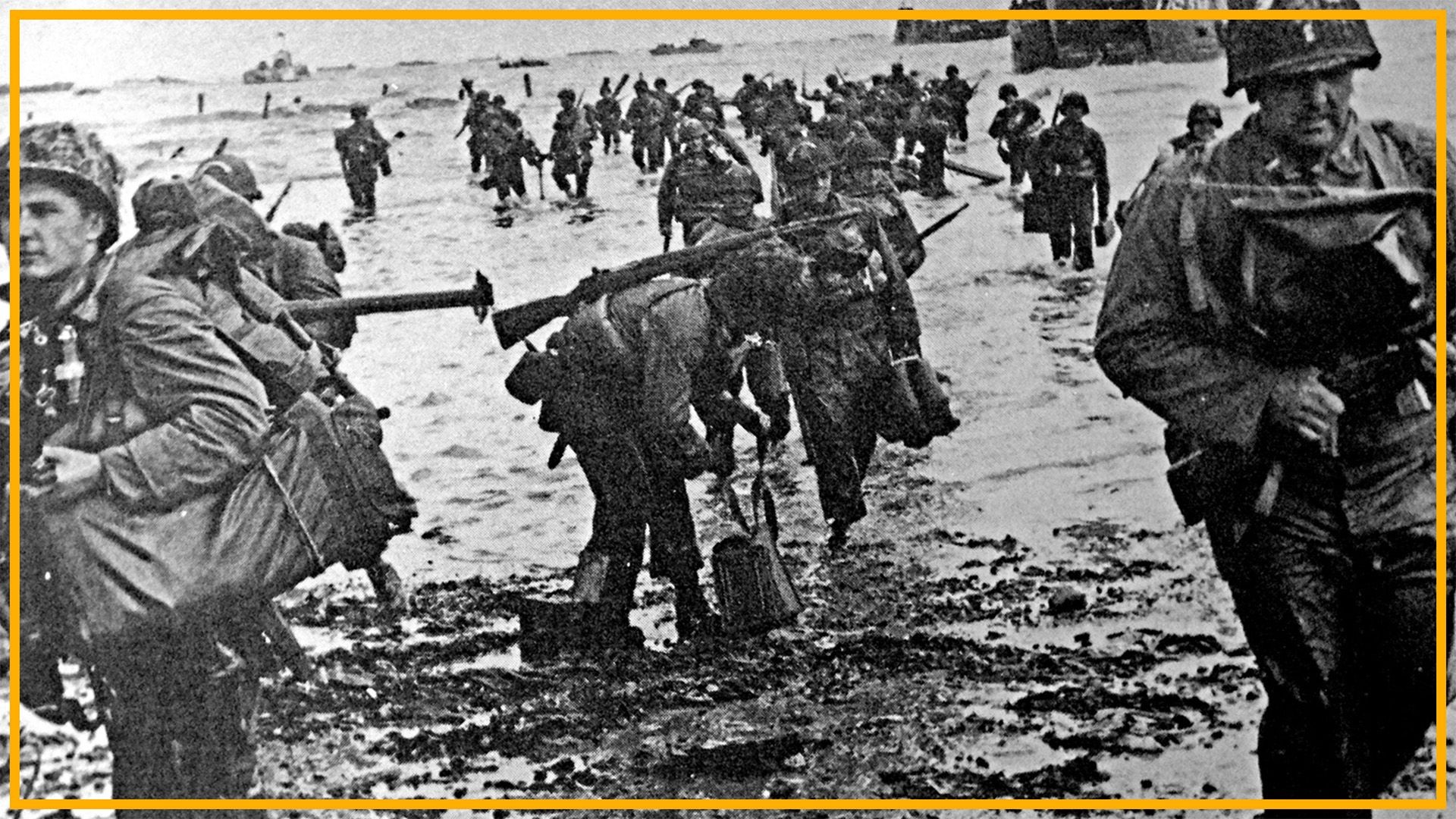
It was June 1944. Allies hit the Normandy beaches. The photos that came out were grainy, blurry, chaotic. They didn’t just document history; they defined it. Millions never saw the war themselves. But those images? They became the war for them. Visceral proof of sacrifice. Of courage. Of a collective purpose that collapsed the distance between the viewer and the blood in the sand.
The same went for Tiananmen Square. One man. Rows of tanks. A silent standoff that shook the world.
Or the falling man. World Trade Center. A moment of horror that stuck in our global throat.
Or Alan Kurdi. Three years old. A Turkish shore. A body that changed migration policy overnight.
These weren’t just records. They were cultural touchstones. Shared visual ground. Societies coordinated emotion and action because of them. Public understanding was built on this substrate.
So what happens when the substrate rots?
AI generators can now make images that don’t just look real. They feel real. Emotionally compelling. Contextually plausible. And they do it cheaply. Rapidly. At scale. Unlike the old days where Photoshop left traces if you knew what to look for, today’s synthetics are polished. They show events that never happened. People who never existed. And the tech gets better every month.
This is a mess for epistemology.
Photographs sat at the top of our evidence hierarchy. “Seeing is believing” wasn’t just a slogan; it was a cognitive shortcut. A bridge between eye and brain. Even if we knew photos could be staged, we assumed a causal link. The camera saw it, so it happened. AI cuts that cord.
The risks aren’t abstract theories.
In war zones, fake atrocities circulate. Enemy forces get blamed for crimes they didn’t commit. Or victories that didn’t happen. Like that fake image of an American radar damaged by an Iranian drone? Widely shared. Totally fabricated.
Domestically? Racial tensions inflame over staged scenes. Public figures appear in mugshots that are lies. Trump has been “booked” online. It’s fake. It spreads anyway.
Speed kills context. Social media moves faster than verification. By the time experts debunk an image, the emotional damage is done. Or worse, they debunk something real. Remember those poodle mixes in cages? An animal charity posted it. Netizens said, “Obviously fake, look at the paws.”
It was real.
But the truth got dismissed because skepticism became the default setting.
That’s the “liar’s dividend.”
Once you accept that images can be faked perfectly, everything is suspect. Bad actors get off the hook. “That’s AI,” they say. It’s a convenient shield. Authentic evidence gets vaporized by doubt.
Democracy needs facts. Not interpretations. Facts. When we lose shared reality, we lose the ability to judge together. Disagreement is fine. Disagreeing on what happened? That breaks the system.
Tech won’t fix this. Sorry. Detection tools get better? AI evasion gets better too. It’s an arms race we’re losing. Plus, detection doesn’t scale. And regular people? They aren’t digital forensics experts.
We need law. We need society.
History helps. Photography changed the 20th century too. Copyright emerged. Authorship matters. If you knew who made it, you could hold them accountable. Defamation laws worked because there was a chain of custody. A name. A source.
We need that chain back.
- Mandatory Disclosure: If it’s AI, say it. At creation. At distribution. Clear labels. No hiding in the shadows. Platforms need to enforce this. Regulations too.
- Traceability: Cryptographic watermarks. Metadata that records an image’s life. Was it taken by a sensor or generated by a model? Standardized systems that can’t be stripped out. Interoperable across borders.
- Liability: Punish malicious use. If you fake it to hurt someone or sway a vote, you pay the price. Platforms must keep provenance data alive.
None of this brings back the old naive trust. It’s dead. Gone. The era of innocent eyes is over.
But we can build something else. Robust trust. Not based on assumption, but on verification.
Normandy resonates because we agreed on reality. We need that again. Not for the past. For the future. It’s not just a technical bug. It’s a democratic feature. Or a bug we’ve got to squash before the whole OS crashes.