


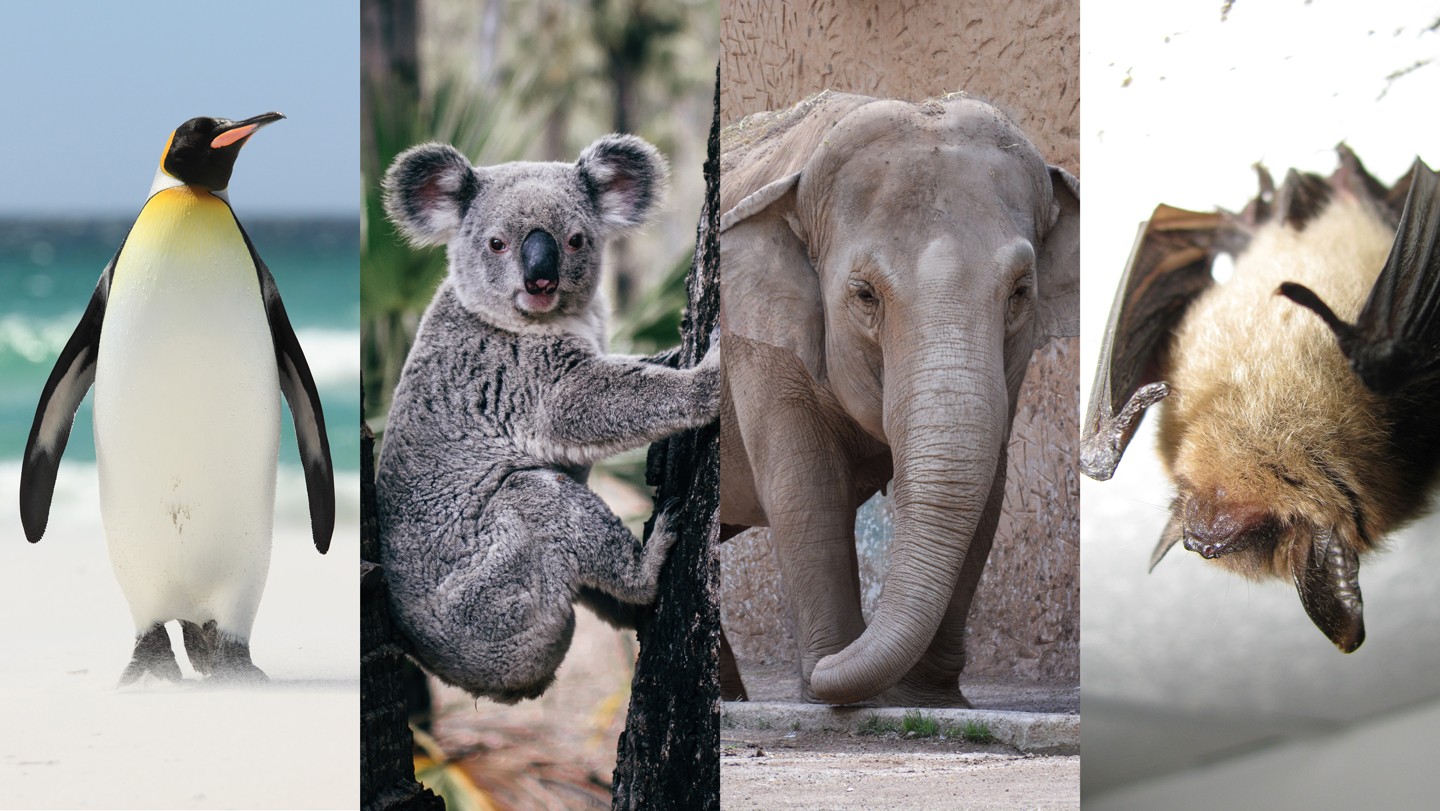
The world’s wildlife is increasingly vulnerable to infectious diseases, and a growing number of conservationists are turning to a once-unthinkable solution: vaccination. From penguin chicks receiving flu shots in the sub-Antarctic to koalas getting protection against chlamydia, efforts to immunize endangered species are gaining momentum. This shift reflects a new reality where shrinking habitats and accelerated global movement of pathogens are driving unprecedented disease outbreaks.
The Growing Crisis in Wildlife Health
The past few years have seen a surge in deadly viruses impacting animal populations. In 2024, a highly contagious strain of avian influenza devastated southern elephant seal pups on the Crozet Islands, but some king penguin chicks survived thanks to experimental vaccination. This outbreak follows a pattern of global disease spread, including outbreaks that killed birds and mammals in 2022. The core problem is simple: animals are now more exposed to diseases than ever before due to environmental changes and increased interactions.
Scientists recognize the severity of the situation. Tonie Rocke, a wildlife biologist with the USGS, explains that shrinking habitats force animals into closer contact, amplifying the spread of pathogens. “Their environment has changed, as has ours… diseases are moving all over the world at a pace that wouldn’t have happened in the past.”
Pioneering Vaccination Efforts
Several projects are pushing the boundaries of wildlife vaccination:
- Penguin Flu Shots: Trials on king penguins in the Possession Islands show promising immune responses without harmful side effects. While two doses are currently needed, researchers are working on single-dose formulations.
- Koala Chlamydia Vaccine: Australia has approved a vaccine for koalas, a species already threatened by habitat loss and climate change. The vaccine reduces mortality by 64%, though distribution challenges remain.
- Elephant Herpesvirus Protection: Zoos are seeing success with vaccines against elephant endotheliotropic herpesvirus (EEHV), a deadly disease that kills young Asian elephants. Early trials show that vaccination can prevent severe illness.
- Bat White-Nose Syndrome Solution: Researchers are vaccinating bats against white-nose syndrome, a fungal disease that has killed millions in North America. Oral vaccines administered in the field are showing encouraging results.
Challenges and Future Directions
Vaccination isn’t a simple fix. Developing and deploying vaccines for wild animals is expensive and logistically difficult. The biggest hurdles include funding, accessibility (especially in remote habitats), and the need for continued research to ensure long-term efficacy.
However, the urgency of the situation outweighs these challenges. As Lauren Farris, an immunologist at Baylor College of Medicine, states about elephants: “It’s not really if they’re going to get it or what chance they might catch it. They will have it eventually.” Vaccination is increasingly seen as a necessary tool to buy time for threatened species while broader conservation efforts address the root causes of their decline.
The ongoing trials and approvals signal a growing acceptance of vaccination as a legitimate conservation strategy. Whether it’s protecting penguins from bird flu or koalas from chlamydia, the message is clear: in a rapidly changing world, proactive intervention is becoming essential for ensuring the survival of vulnerable species.


