


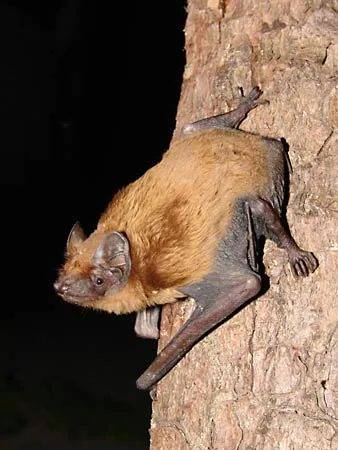
If you’ve ever watched a bat swoop through the twilight sky in Europe or Asia, you likely saw a noctule. These vesper bats are fast, unpredictable, and surprisingly common in places you might not expect—like old stone buildings or deep limestone caves. They aren’t the biggest bats around. Most measure just 5 to 10 cm long, excluding a tail that adds another 3.5 to 6.5 cm. Their fur ranges from golden-yellow to dark brown, with a distinctly paler underbelly that catches the last light of day.
But their size isn’t what makes them interesting. It’s how they move. Noctules are swift, erratic fliers. They don’t glide; they dart. And they time their exits perfectly, leaving their roosts at or just before sunset. Why does this timing matter? Because it puts them right in the middle of the insect swarm that emerges in the dusk.
They eat insects. Mostly beetles. It’s a simple diet for a sophisticated flyer.
The best-known species is the Eurasian N. noctula. It’s reddish-brown, migratory, and thrives in wooded regions. It’s also the most widely distributed. But there are about six species in the genus Nyctalus. All share that same erratic flight pattern. All rely on the same twilight window.
So, why should you care about a bat that eats beetles and flies weirdly? Because they’re natural pest control. They’re already here. They’re hiding in your attic or the cave system beneath your city. And they’re doing the work you’d otherwise pay someone to do.
Next time you hear a flutter above the trees at dusk, don’t shoo it away. Watch it. It’s hunting. And it’s better at it than you are.

