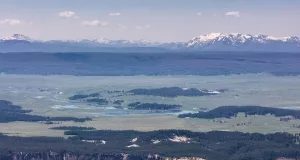
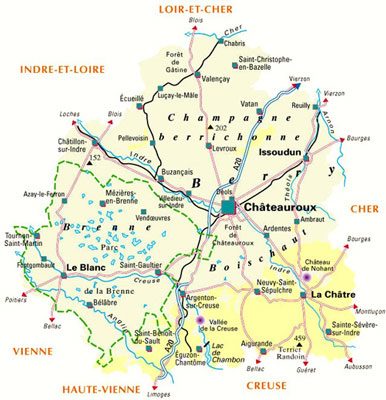
Deep in the heart of France, tucked away in the Indre department within the Centre region, lies a landscape that feels almost surreal in its wildness. It is the Brenne Regional Natural Park. Often called “the land of a thousand lakes,” this area doesn’t just look like water; it breathes it. The region is a mosaic of marshes, ponds, and woodlands, a habitat so distinct that it feels like a secret kept by the earth itself.
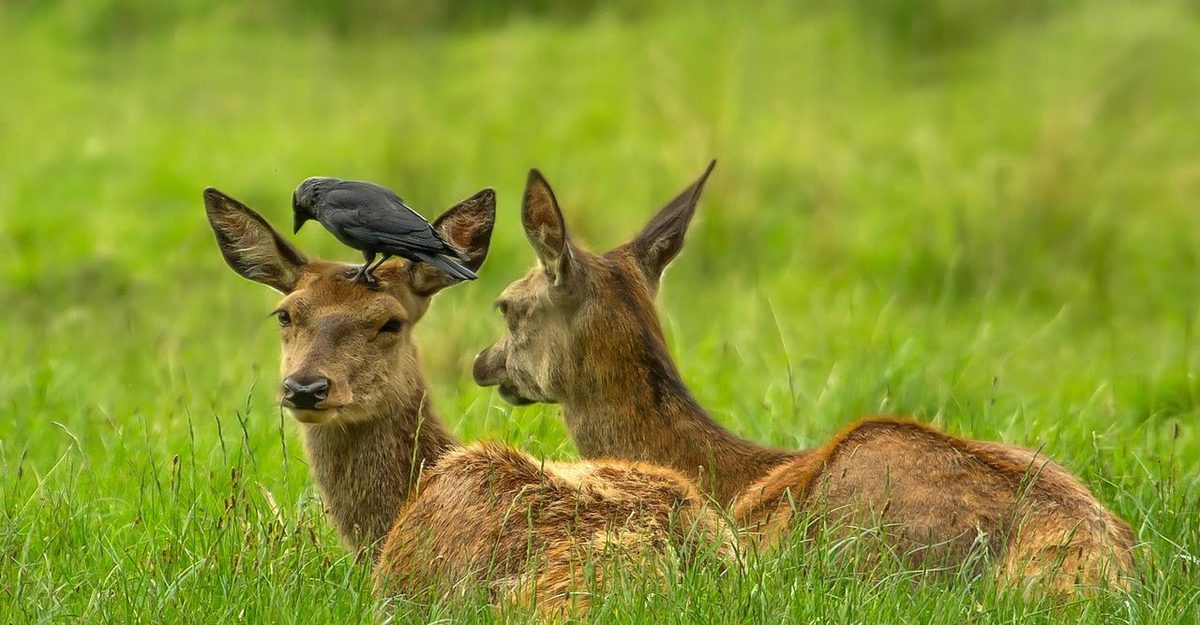
But the park is not just about water. It is about life. And few creatures embody the spirit of this place quite like the red deer, or cerf élaphe.
Why does this matter? Because the Brenne is one of the few places in Western Europe where you can witness a functional wetland ecosystem in action. It’s not a museum exhibit. It’s alive. And the red deer? They are its kings.
The Water That Holds It All Together
The Brenne isn’t a single lake. It’s a patchwork. Thousands of small ponds, some natural, some man-made, dot the landscape. These ponds were once dug for clay to make bricks for local châteaux. Now, they’re home to herons, kingfishers, frogs, and turtles. The water here is still, mirror-like, reflecting the sky in a way that makes you pause mid-step.
The region’s hydrology is delicate. The ponds refill in winter, dry in summer, and everything in between. This cycle supports a biodiversity that’s surprisingly rich. You’ll find dragonflies that look like tiny helicopters, reeds that sway in the breeze, and the occasional splash of a fish breaking the surface.
It’s quiet here. Not the empty quiet of a desert, but the full quiet of a place where nature is doing its work without interruption.
The Red Deer: Kings of the Brenne
Now, let’s talk about the cerf élaphe. The red deer.
These animals are not just present in the Brenne; they are central to its identity. The park is one of the best places in France to see them in the wild. You won’t find them in cages or on farms. You’ll find them in the reeds, moving through the mist at dawn.
Why red deer? Because they are adaptable. They thrive in the wetlands, using the dense vegetation for cover and the open waters for grazing. They’re social, too. You’ll often see them in small herds, led by a dominant stag.
The stags are impressive. Their antlers can span over a meter wide. In the autumn, during the rut, the air fills with their calls. It’s a sound that’s both haunting and powerful. You feel it in your chest before you hear it with your ears.
But they’re not just about show. They’re survivors. The Brenne’s red deer population has bounced back from near extinction in the 20th century. Conservation efforts, habitat protection, and controlled hunting have helped stabilize their numbers. It’s a success story, but not a perfect one. Climate change, habitat fragmentation, and human encroachment remain threats.
How to See the Brenne and Its Deer
If you’re planning a trip, timing is everything.
- Best time to visit:
European bison: Europe’s last free-living giant
I took this moment to walk you through the mythology and art surrounding this creature: the European bison. It has a special title. It is the largest wild herbivore living in the wild in Western Europe.
Its story is not just about biology. It’s about survival. It’s about how close extinction was. And how close we still are to losing it.
The animal itself is huge. A fully grown male can weigh over a ton. They have a prominent hump on their shoulders. Thick, dark fur that sheds in summer. And inward-curving horns designed for shoving matches during mating season.
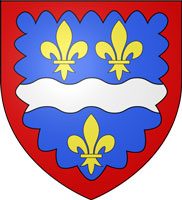
But look at the blason, the coat of arms. Look at the art. You see a symbol of power. Of untamed nature. In many European traditions, the bison represents strength. Endurance. A wild landscape before it was paved.
But at the beginning of the 20th century, the number of wild populations dropped to zero. The last wild bison died in the Białowieża forest. There was nothing left in nature. Only those kept in zoos and private collections.
How did we get back from this brink?
It wasn’t magic. It was a careful breeding. A cross between zoo stocks and the few remaining captive herds. Creating a genetic pool large enough to prevent inbreeding from collapsing. Then we release them. Slowly. Carefully. Back to the forests of Poland, Belarus and other forests.
Today you can see them running freely again. Not just in one place. But in parts of Eastern and Central Europe. The population has grown to several thousand. A success story, of course. But it is fragile.
Why is this important to you?
Because the European bison is an ecosystem engineer. Their grazing patterns shape the forest floor. They create clearings. They promote biodiversity. Lose the bison, the landscape changes. In subtle ways. That can ripple through the entire food web.
It’s a reminder. This “extinction” is a condition that can be reversed. But only if we pay attention. Only if we protect the land they need to roam.
Art shows them majestically. Mythological. But the reality is more complicated. It’s about habitat loss. Across political borders. The difficulty of reintroducing a species that people once feared.
Yet they are there. Standing in the mist. Western Europe’s largest land mammal. Surviving.
And that counts for something.
“Red Sea” basins and hidden resources for historians
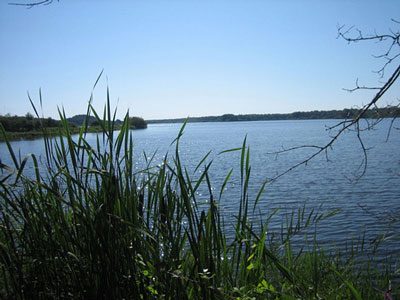
The name may sound deceptive, bringing to mind biblical plagues and ancient sea routes, but here it refers to an inconspicuous but special body of water known locally as the Etang Mer Rouge. This nickname is likely a historical artifact rather than a representation of the actual color of the water, and the naming error persists despite having no obvious connection to this famous sea.
But the real plot isn’t in the water. It exists in the soil beneath it.
Consider wild and meet. To the casual observer, they are just game animals. For historians and prehistorians, they are like walking time capsules. These creatures live not only in landscapes, but also in natural environments. they record it. Their bones, teeth, and even digestive tracts contain isotopic signatures and DNA that reveal ancient climates, migration patterns, and human hunting strategies thousands of years ago.
For archaeologists, these animals were more than just prey. They are archives.
This utility becomes clear when we analyze the sedimentary layers in places like Etain-Mer-Rouge. By examining animal remains found nearby, researchers can reconstruct how human settlements have interacted with their environment over the centuries. Wild boars are hardy omnivores that often live in disturbed forests, a sign that people are clearing the land. roe deer are more sensitive to habitat fragmentation and can help map the boundaries of ancient forests.
Why is this important today?
Because understanding past human-animal relationships provides a blueprint for modern conservation. By knowing how ancient communities managed wildlife populations, you can gain insight into sustainable practices that inform current ecological strategies. The past is not just the story of what happened. It’s a data set of what’s going on again.
These animals are useful precisely because of their adaptability. They can cope with change. In their remains we find answers to questions we are only now learning to ask.