


You don’t need pyrotechnics to make a movie scene look deadly.
Most of the gimmicks are just clever implementations of some core gimmicks. Fire is definitely noticeable. But the hard work in an action movie is done without it. We are talking about the gritty, mechanical reality of fake violence. One that leaves the Actors bruised but alive.
Let’s find out how the industry sells the illusion of danger.
Selling the Punch
When you see two actors exchanging blows, remember: they’re not actually punching each other. Not really.
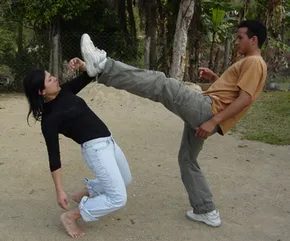
At least not in a harmful way. It’s choreography disguised as a fight. Think of it as professional wrestling. The mechanics are similar. The most important thing is the camera angle. The experienced stunt double knows how to position the lens in such a way that the punch performed looks like a bone-breaker.
Both performers have to “sell” a hit.
The striker pulls a punch in the last millisecond. The victim, in turn, must react with convincing impact. They jerk your head back. They stumble. They sell the force that never came. It is a dance of trust and timing. If one sells it and the other doesn’t, the illusion is broken.
The Geometry of Gunfire
Live ammunition is strictly prohibited on set. You won’t find real bullets in movie guns.
Instead, the Actors use props or guns chargeed with blanks. Empty cartridges shoot compressed gas and sometimes small metal fragments. They make a loud noise. They produce a muzzle flash. But they are not harmless. Blanks can cause serious injuries, especially at close range.
So how do you show how a bullet entering a body?
They use something called a squib.
A squib is a small explosive charge. Today it is often pneumatic. It is taped to the actor’s body at the exact point of impact. On top of the charge is a bag of theatrical blood. A metal plate behind the actor captures the explosion. This plate protects the skin and projects the blood out.
The timing has to be perfect.
The charge starts remotely or with a button hidden on the actor’s sleeve. It synchronizes with the sound of a gun being fired in the scene. When the charge goes off, it tears the costume. Blood spurts out. It looks like a gunshot wound.
Bullet holes in walls or cars? This is manual work. The teams first drill the holes. They are covered with painted putty or paper. They then set off the explosive charge to blow the cover away. Poof. The hole is created just when the bullet “hits”.
The Art of the Fall
High drops were the bread and butter of stunt work.
Now? Digital effects and green screens often do the heavy lifting. Editors can combine footage to make a jump look ten times higher than it is. But when it’s a really high drop, the goal is simple: don’t hit anything hard.
Large airbags are standard in massive drops.
They are light. Easy to carry. The crews inflate them on site. Sometimes they stack a smaller airbag inside a larger one for extra cushioning. It’s technology disguised as safety.
In the past, shorter drops may have seen cardboard boxes. The corners have been cut away to create a crumple zone. It’s archaic now. Bungee cords are often used in modern stunts.
The stuntman falls. Almost down. Then the bungee catches them. They jump back up. Unharmed.
It’s not magic. It’s physics. And lots of practice.
But what happens if the safety equipment doesn’t work? Or if the director wants something more visceral? No amount of airbags can completely mitigate this risk. The line between stunt and accident is thinner than the script suggests.


