Pick a yo-yo and you’re playing with history. But not every plastic disc on the shelf is created equal. If you are looking to buy a yo-yo, stick to names that have actually survived the test of time. Duncan. Playmaxx. What’s Next. Tom Kuhn Custom Yo-Yos. Yomega. These are the brands that matter.
Ignore the cheap stuff. Seriously. Cheaply made brands are frustrating time-sinks. They feel clunky. They don’t spin right. Spend the extra few bucks. You get a better experience. You get a better tool.
Which Yo-Yo Type Is Right for Beginners?
Not all yo-yos work the same way. The first distinction you need to understand is between non-sleeping and slip-string models.
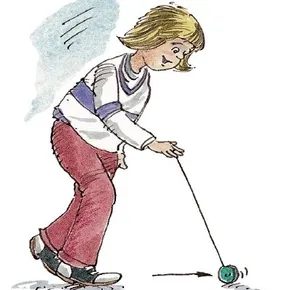
A non-sleeping yo-yo is basic. It’s perfect if you are just starting out. It can only perform about six tricks. That’s it. Don’t expect it to do everything. To use it, put the string on your finger. Throw it down toward the floor. It unwinds as it drops.
Kinetic energy keeps it spinning at the bottom. Give the string a tug. It winds back up and comes home. Think of it like the Gravity Pull trick. It’s simple. It’s reliable. But it’s limited.
What Is a Slip-String Yo-Yo?
If you want to do more than six tricks, you need a slip-string yo-yo. This type unlocks a universe of hundreds of moves. The magic is in the string length.
A slip-string yo-yo has a string that is actually twice as long as it looks. It starts at your finger loop. Goes all the way down to the yo-yo. Wraps around the axle. Then continues back up to your finger. The yo-yo sits in a small loop around the axle.
That loop is the key. It lets the yo-yo “sleep.” It spins in place. It stays there until it stops on its own or you jerk the string to bring it back. This mechanism is what separates the toys from the actual instruments.
Ball-Bearing vs. Transaxle Yo-Yos
Want longer spins? Look at the internal mechanics. Transaxle yo-yos are built for duration. They spin for an incredibly long time.
With a regular yo-yo, the string loops directly around the axle. Friction kills speed. With a transaxle, a special, low-resistance plastic ring touches the axle instead. The string wraps around the outside of that ring. It never touches the axle.
Less friction means longer spins. It also means the string lasts way longer.
In the late 1980s, Tom Kuhn changed the game again. He introduced the SB-2. It used a ball-bearing ring around the axle instead of plastic. Now spins of 30 to 60 seconds or more are common. Compare that to a standard wooden-axle yo-yo. You can barely get 10 to 15 seconds out of those.
The Brain Yomega: A Clutch for Newbies
Not all long-spin tech is created equal. Yomega tried something different in 1984. They introduced the “Brain” yo-yo. It was a plastic disc with a clutch inside. Mike Caffrey invented it. He later became head of marketing and sales for Duncan.
Here is how it works. When the yo-yo spins at full speed, the clutch separates. This allows the disc to spin freely. As it slows down, springs inside push the clutch halves back together. This engages the return mechanism.
The yo-yo comes back to your hand automatically. No hard jerk required. It makes learning how to make a yo-yo sleep much easier for new players. You don’t have to master the timing of the pull immediately.
Final Adjustments
Even a brand-new yo-yo needs work. Out of the box, nothing is perfect. You need to learn a few basics. Make a slip-knot. Adjust the tension. Know how to restring it.
That is where the real skill starts. The hardware gets you there. Your hands keep you there.
“The clutch makes it easier for new yo-yoers to learn how to make a yo-yo ‘sleep.'”
For more fun yo-yo tricks and kids activities, check out:
- Easy Yo-Yo Tricks
- Intermediate Yo-Yo Tricks
- Advanced Yo-Yo Tricks
- Kids Activities