


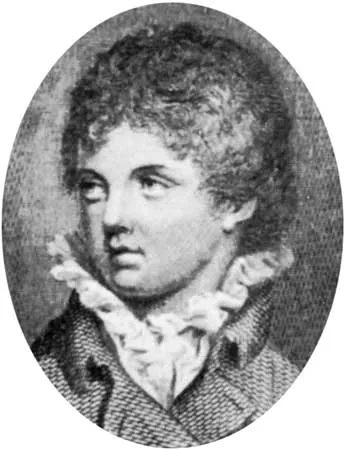
He was a phenomenon. A child actor who didn’t just break records but shattered the very concept of theatrical attendance.
William Henry West Betty was born on September 13, 1791, in Shrewsbury, Shropshire. By the time he died in London on August 24, 1874, he had already lived through a career that defied explanation. He wasn’t just good for his age. He was a cultural earthquake.
His debut happened in Belfast before he turned 12. He performed an English adaptation of Voltaire’s Zaïre. The crowd went wild. It wasn’t a fluke. He took that energy to Dublin, Glasgow, and Edinburgh. Everywhere he went, people lost their minds.
Then came 1804. That was the year he hit London’s Covent Garden. The reaction wasn’t enthusiastic applause. It was a riot. The crush of fans trying to get inside was so violent that troops had to be called out just to preserve order. Can you imagine that? Security forces standing between you and a 13-year-old boy reading lines.
But he didn’t stop there.
Once he proved he could handle the noise of his debut, he moved on to the heavyweights. He played the great tragic roles of Shakespeare at both Covent Garden and Drury Lane. The theaters paid him an unprecedented salary. We’re talking about money that dwarfed adult stars of the era.
The obsession went beyond the box office. It reached the highest levels of British power. King George III personally presented him to the Queen. William Pitt, the Prime Minister, did something almost unthinkable. He adjourned the House of Commons. Why? So that Members of Parliament could leave their duties and see Master Betty perform as Hamlet.
Think about that level of fame. A child actor pausing the entire government.
Betty was the ultimate child prodigy actor. His story defines what that term meant in the Regency era. He wasn’t a novelty. He was a serious talent who commanded serious attention from serious people.
In 1808, he made his final appearance as a boy actor. He was 17. He walked away from the stage he had conquered and entered Christ’s College, Cambridge. It seemed like a natural transition. A smart boy, a good student, moving on to university.
But the stage had a hold on him.
In 1812, he tried to return. He wanted to pick up where he left off. The public wasn’t having it. The performance was ill-received. The magic had vanished, or maybe the audience had simply outgrown him. The gap between the boy wonder and the young man was too wide for them to cross.
He retired completely in 1824. He was just 33 years old. He didn’t need the work. He lived off his fortune, wealthy beyond measure, but silent.
The spectacle ended. The troops went back to their barracks. The House of Commons resumed its debates. And Betty disappeared into the quiet life of a man who had once been the most famous person in England.
Did he regret it? We don’t know. He never spoke about the noise, the violence, or the King.


