


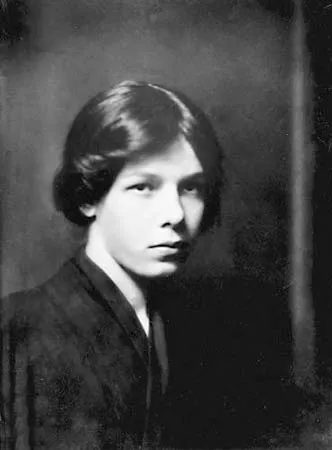
She could be a French empress one minute and a witty observer of high society the next. Cornelia Otis Skinner didn’t just act; she inhabited roles with a satirical precision that made her a singular force in mid-century American theater. Born in Chicago in 1901, she spent her life navigating the line between serious dramatic craft and lighthearted literary performance. When she died in New York in 1979, she left behind a legacy that was less about one big hit and more about a versatile, relentless creative engine.
Skinner’s entry into the spotlight wasn’t some gritty struggle from the bottom up. It was a family affair. Her father was Otis Skinner, a renowned tragedian. She made her professional debut alongside him in Blood and Sand in 1921. They even co-wrote her first play, Captain Fury, which hit the stage in 1925. It was a classic showbiz nepotism story, but her talent was undeniable enough to stand on its own.
The Master of Monodrama
While many actors crave the ensemble, Skinner found her true voice in the solo spotlight. By the 1930s, she was writing and staging her own monodramas. These weren’t just recitals. She played multiple characters in a single performance, shifting identities with adept ease.
The list of her signature one-woman shows reads like a tour through European and American history:
- The Loves of Charles II
- The Empress Eugénie
- The Mansions on the Hudson
- The Wives of Henry VIII
In these performances, she displayed a distinctive acting style. She didn’t just mimic; she captured the essence of her subjects through satire and wit. It was a format that allowed her to control the narrative entirely, turning history into intimate, immediate entertainment.
Critical Acclaim and Theatrical Longevity
Despite her popularity in solo work, it took time for the critical establishment to fully recognize her dramatic range. The breakthrough came in 1939 with Candida. This role established her reputation as a fine actress, moving her out of the “variety” category and into serious drama. She cemented this status two years later in Theatre (1941).
Her career didn’t stall. She continued to win critical acclaim for her roles in major productions:
- Lady Windermere’s Fan (1946)
- Paris ’90 (1952)
- The Pleasure of His Company (1958)
The last of these was particularly notable because she co-wrote the play with Samuel Taylor. It was a testament to her belief that writing and acting were two sides of the same coin.
From Bestsellers to Biographies
Her literary output was as varied as her stage work. In 1942, she co-authored Our Hearts Were Young and Gay with Emily Kimbrough. The book became a best-seller, capturing the spirit of young women navigating life in a way that resonated with a wide audience. It was light, witty, and sharply observed


