The vasopressin monopoly
We used to believe the story was simple.
One hormone, vasopressin. That’s the boss. It tells the kidneys to hold onto water, stop you from dehydrating, and keeps everything tidy. Textbooks repeated this narrative for decades. That’s it. That’s the whole plan.
It was wrong.
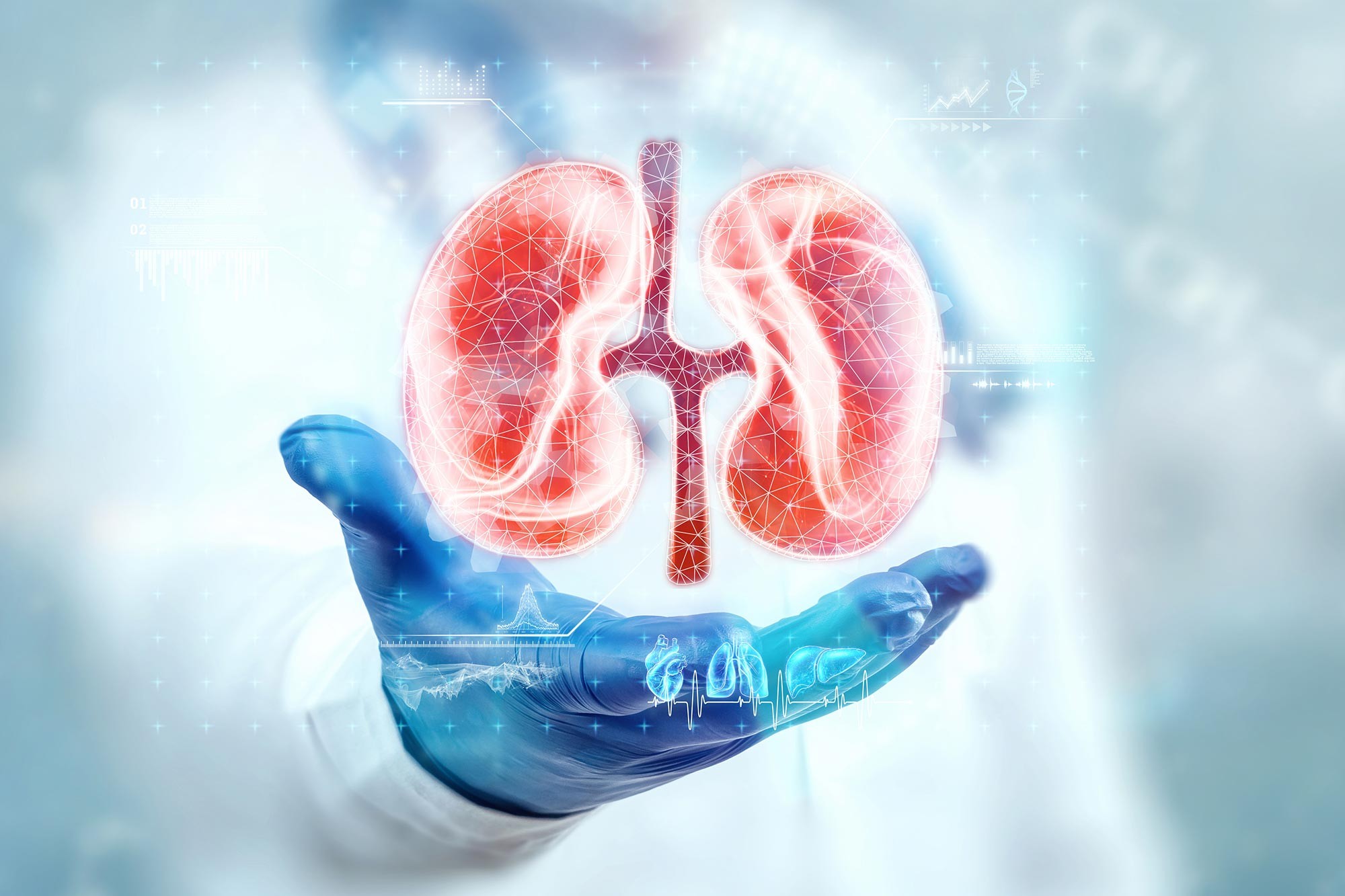
Researchers at the Mayo Clinic found that the kidneys have a secret backdoor for water conservation. A pathway entirely separate from vasopressin. This wasn’t looking for a new mechanism—it was hiding in plain sight while scientists studied something else. Specifically, polycystic kidney disease.
Dr. Fouad Chebib leads the team. He’s a nephrologist who knows how fragile these organs are. His group published their findings in the Journal of Clinical Investigation. They didn’t set out to rewrite physiology. They just wanted to understand how cysts grow in inherited kidney disease.
“It’s not every day you uncover a new way the body carries out its most fundamental functions,” Dr. Chebib noted.
That’s an understatement. Finding a completely independent regulatory system is huge.
Accidents in the lab
The discovery came from a mistake. Or what looked like one.
Chebib’s team was growing kidney cells in a lab. They wanted to see what made cysts get worse. They threw a drug called probenecid into the mix. Probenecid is old—1940s old. It was originally used to keep penicillin in the blood longer by stopping the kidneys from flushing it out.
The theory said probenecid would accelerate the damage.
“We thought it would make the disease process worse,” Dr. Chebib recalls. “Instead, it did the opposite.”
The cysts slowed down.
They checked again. And again. The result held. Probenecid wasn’t fueling the fire. It was dampening it. Why? Because it changed how cells handled urate. You know urate. High levels cause gout. But inside these cells, urate acted as a signal.
A signal to move water channels to the surface of the cell.
Suddenly, the kidney could concentrate urine. Without vasopressin involved at all. It turns out the organ has a backup plan for preserving water that standard physiology never mentioned.
Fixing the broken drug
This matters because the only approved drug for ADPKD, tolvaptan, works by blocking vasopressin
The trade-off is brutal. To slow cyst growth, tolvaptan forces patients to pee out enormous amounts of fluid. We’re talking six or seven liters a day. Imagine carrying two large jugs of water out of your body daily. Not fun. Not sustainable.
Patients wake up four, five, six times a night. They get tired of it. They stop taking the medicine. The cysts grow.
So the team added probenecid to tolvaptan.
What happened? The urine volume dropped.
Preclinical models and a small trial showed that adding probenecid cut urine output by roughly 30%. Patients who used to sprint to the bathroom every hour woke up just once or not at all. Their quality of life improved immediately. The drug still worked. But the side effect? The constant drowning sensation? Gone.
Is probenecid the new magic bullet?
Probably not.
Not the final answer
Probenecid is a blunt instrument. It’s decades old. It touches too many different systems in the body. You wouldn’t give a 70-year-old compound designed for penicillin optimization to treat a modern chronic condition as a long-term monotherapy.
Chebib agrees.
Probenecid was a flashlight. It lit up a dark corner of biology. Now they see the wall there. The goal isn’t to prescribe penicillin helpers forever. The goal is to design a new drug. One that targets this newly found urate pathway with surgical precision.
Keep the benefit. Lose the side effects. No ancient pharmaceuticals required.
Chebib cares deeply. His father had PKD. He started this journey for him.
“It started with personal motivation,” he said.
Maybe it ends with better days for millions of Americans living with cysts. The pathway is real. The mechanism is there.
The question remains: who will be first to build the key?