Rocket Lab is buying Iirdium. The price tag is eight billion dollars.
That’s not pocket change.
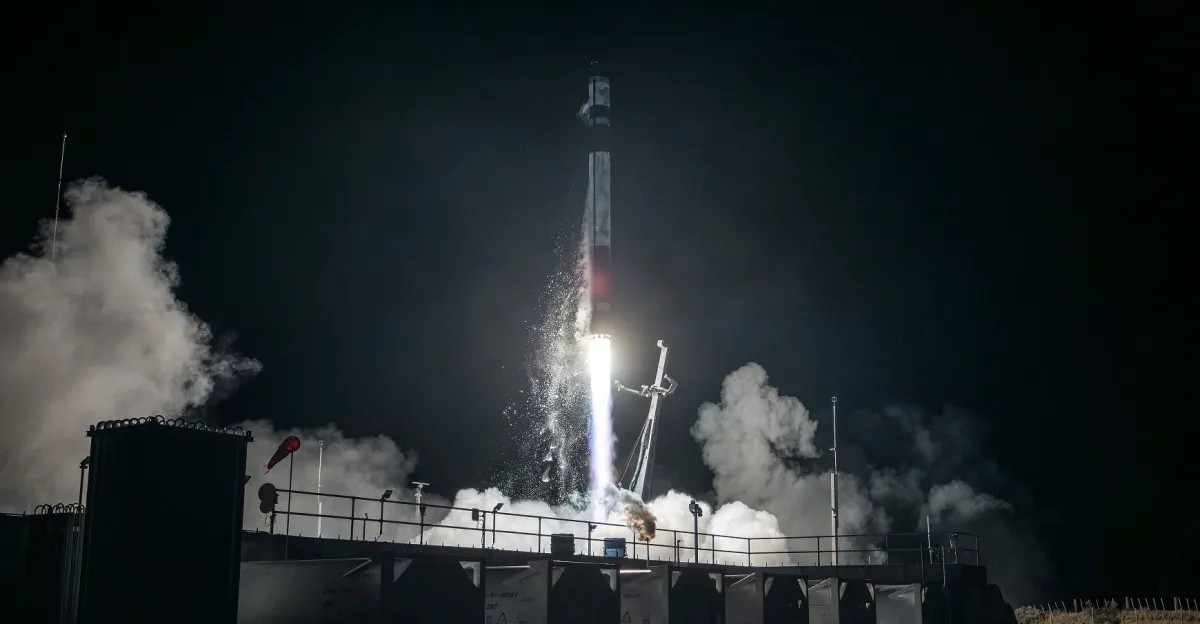
For a company mostly famous for firing off the small Electron rockets, this is a massive leap. It stops being just a launch provider and becomes a telecom giant. The goal is simple, if audacious: catch up with SpaceX.
Spectrum and subscribers
Iridium has 66 satellites orbiting low. They use L-band spectrum. That spectrum is hard to get, almost impossible to manufacture yourself. Once you have it, you hold a monopoly on the silence between signals.
They already have 2.5 million customers. These aren’t casual users texting friends. They’re people on ships. Pilots in thin air. Operators in the middle of nowhere who need to know where they are and that they exist. Iridium kept them connected while the rest of the world waited for 5G to reach their street.
Shortcutting the dream
Sir Peter Beck didn’t mince words.
He called this acquisition a shortcut.
Building a network from scratch takes time, license applications, and years of orbital debris cleanup. Buying Iridium skips all that. It lands Rocket Lab with millions of paying users and a reputation as a government partner immediately.
“They are a highly profitable business,” Beck said.
He also made it clear this isn’t a speculative bet. Most space companies burn cash hoping for a future that never arrives. Beck said he’s not investing in hopes. He’s buying reality.
The SpaceX shadow
This feels like a mirror play. Starlink is currently the only part of SpaceX making actual profit. The rest runs on rockets and ambition. Iridium runs on cash and contracts.
Rocket Lab wants to bolt new capabilities onto the existing network. They plan to deploy next-generation satellites that talk directly to phones. Direct-to-device. Not just satellite phones that look like bricks from 1997. Real smartphones, talking to the sky.
Beck argues this capability is needed for US national security. Also emergency response. When the ground collapses or the power grid fails, the stars don’t stop shining.
Who wins when connectivity becomes as fundamental as air?
Rocket Lab is betting it will. They just paid $8 billion for the right to find out.