Stop waiting for the experts. The Somerset Wildlife Trust is handing you a clipboard—or just an app—and saying: go look. They need you.
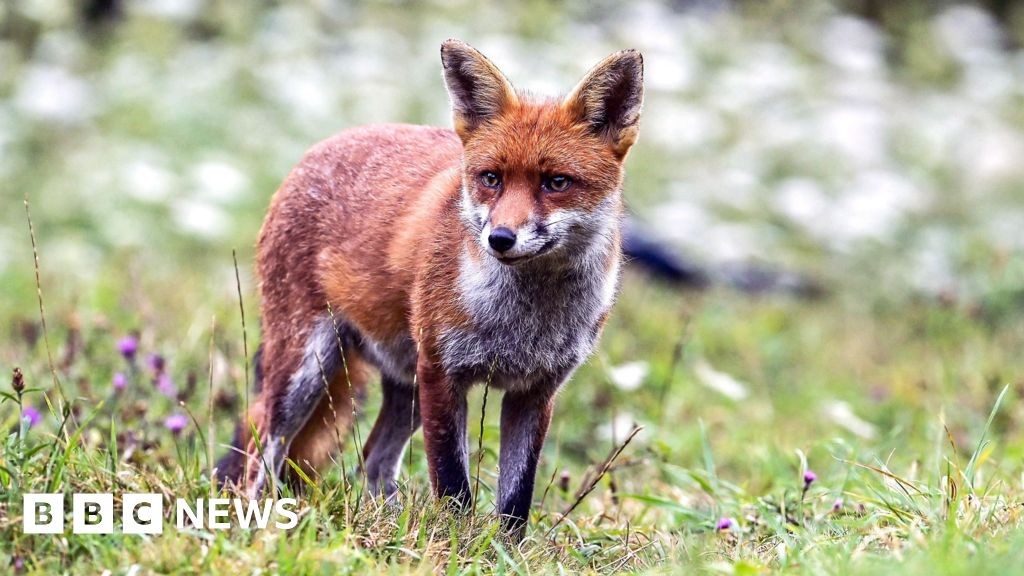
The “Big Count” isn’t a casual walk in the park. It’s a targeted hunt. Not for trophy animals. For snails. For foxes. For things you step on without seeing.
Why?
We have gaps in the data. Big ones.
Becky Fisher runs engagement for the trust. She sees the problem clearly. If you can’t map them, you can’t save them. “We can only protect them when we know where we have,” she says. It sounds simple. It’s not. Most people ignore the fox until it’s a news headline.
Over four years, roughly 3,000 records. That sounds like a lot until you think about the number of animals living in Somerset right now. The sample size is too small.
This year the window is June 18 to June 27.
Here is what they actually want to find:
- Rabbits (common but understudied in density)
- Slow worms (not snakes, look closer)
- Fungi (often forgotten)
- Marbled White butterflies
- Foxes and Snails (the unglamorous workers)
Don’t panic about botany. Or zoology. No degree required. Just eyes.
You submit via the iNaturalist app. Or a worksheet you email to them. The Somerset Environmental Records Centre holds the data. Four million records in their bank. They are drowning in data and starving for the right kind.
It is a partnership between the Trust and SERC. Two groups trying to fill a black hole of ignorance about local biology.
Are we really that bad at looking around us?
The app will tell you what you found. The scientists will plot it. You go back to your house. The snail remains in the soil.
Until next June.