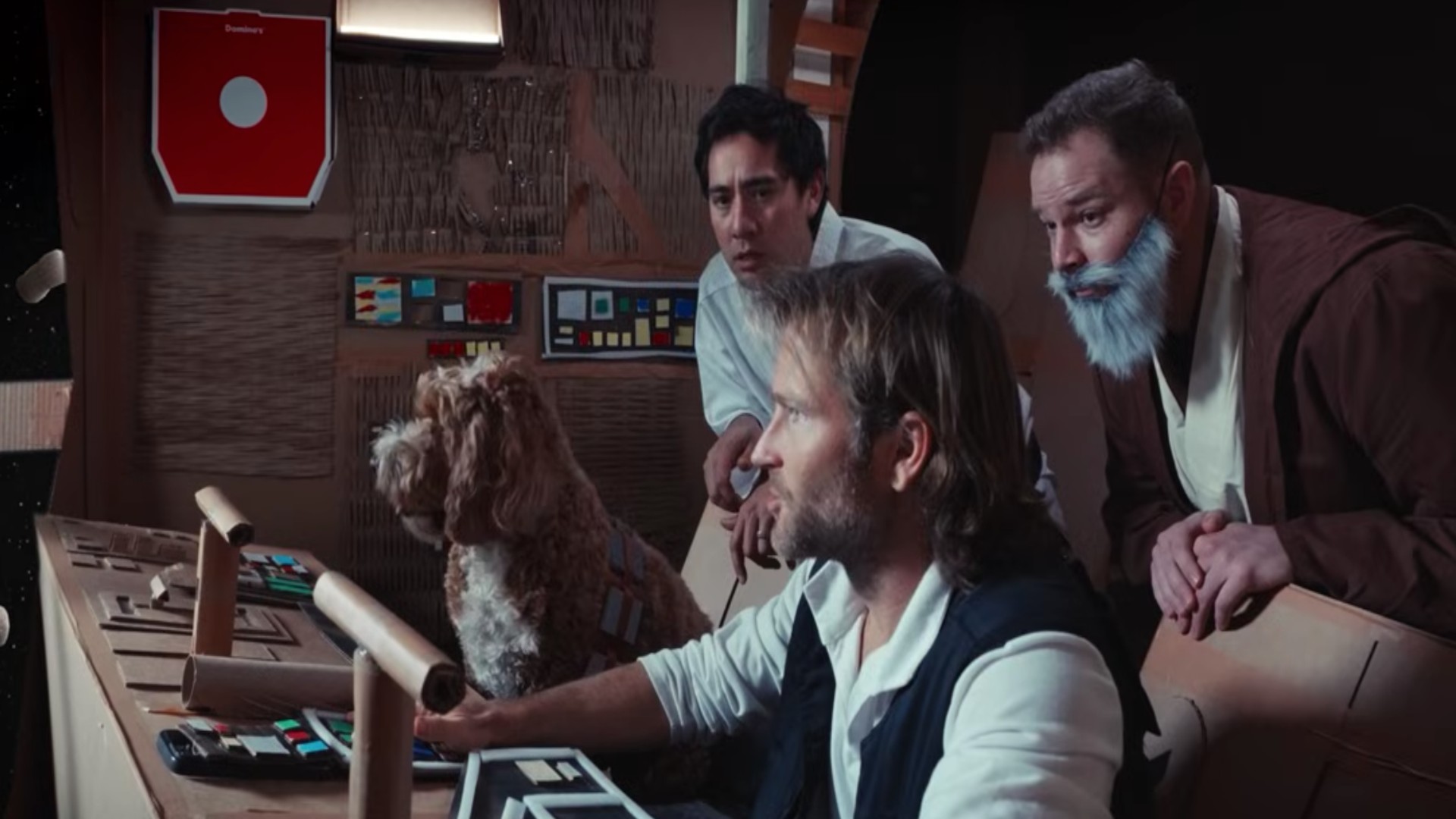
To celebrate Star Wars Day, YouTuber Zach King has released “Cardboard Wars,” a one-hour parody that recreates the 1977 classic Star Wars: A New Hope using nothing but cardboard. The project, which features cameos from Randall Park, Michelle Khare, Airrack, and Bart Johnson, is not just a visual gag—it is a deliberate homage to the practical effects and low-budget ingenuity that defined the original trilogy.
A Homage to Practical Effects
King’s motivation was rooted in a desire to honor the groundbreaking nature of George Lucas’s original work. Rather than relying on modern CGI, the team asked: What if we made a version out of cardboard and shot it in just five days?
“‘Star Wars’ has truly inspired so many filmmakers and reshaped how movies are made,” King explains. “As a nod to how groundbreaking those films were, we asked ourselves, what if we made a version out of cardboard and shot it in just five days? That’s exactly what we ended up doing.”
This approach highlights a growing trend in fan filmmaking: process as performance. By stripping away high-end production values, the project emphasizes creativity, physical comedy, and the tactile joy of handmade props. It serves as a reminder that storytelling often thrives on constraints rather than unlimited resources.
The Logistics of a Micro-Budget Miracle
Directing the project was Josh Fapp, who helped King navigate the logistical nightmares of a five-day shoot. The production relied on efficiency and clever workflow management:
- Single Location Shooting: Most scenes were filmed in one warehouse, with only a few desert exteriors required.
- Parallel Filming: The crew ran multiple cameras and scenes simultaneously to maximize the limited timeframe.
- Physical Challenges: The cardboard stormtrooper costumes were stiff and obstructed vision, mirroring the actual difficulties actors faced in the 1970s. This added an authentic layer of physical comedy to the performances.
Recreating the “Look” of 1977
Beyond the costumes, “Cardboard Wars” meticulously replicates the visual style of the original film’s special effects. King and his team studied the techniques used by Industrial Light & Magic (ILM) pioneers like John Dykstra, Alvah J. Miller, and Jerry Jeffress.
To achieve the classic space battle aesthetic, they:
1. Built miniature and “bigature” (large-scale miniature) versions of the starships.
2. Utilized motion control photography to recreate the precise, sweeping camera movements characteristic of the Dykstraflex camera system.
This technical dedication elevates the project beyond a simple meme. It demonstrates a deep understanding of film history, proving that the “cardboard” aesthetic was not just a cost-saving measure in 1977, but a stylistic choice that defined the franchise’s early visual identity.
Conclusion
“Cardboard Wars” stands as one of the most inventive and affectionate spoofs since the 1978 short Hardware Wars. It celebrates the DIY spirit that fueled the original Star Wars fandom while showcasing how modern creators can use constraints to spark innovation. Whether viewed as a technical feat or a lighthearted tribute, the project proves that imagination remains the most powerful tool in any filmmaker’s kit.