Visual artist Daniel Regan has created a striking series of photographs that offer a rare glimpse into the internal experience of Attention Deficit Hyperactivity Disorder (ADHD). By physically altering images using the very medication that manages his symptoms, Regan translates abstract neurological chaos into tangible, dreamlike visuals.
From Diagnosis to Creative Collaboration
The project began shortly after Regan received an ADHD diagnosis at age 40. Prior to this, he struggled with symptoms such as distractibility and mental clutter. He describes the untreated ADHD mind as “watching five projected films simultaneously, each with its own soundtrack and subtitles.”
After starting treatment with lisdexamfetamine, Regan experienced a significant shift. He likens the medication’s effect to “turning down the volume,” allowing him to focus on just one or two films at a time. This newfound clarity and calmness inspired him to engage with the drug not just as a medical tool, but as a creative collaborator.
The Chemistry of Chaos
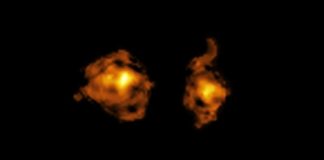
Regan’s artistic process is as unique as his subject matter. He took Polaroid photographs of himself and the Australian bush during hikes, then submerged the developing images in solutions containing varying ratios of his ADHD medication and water. This chemical interaction distorted the photos over periods of up to three months, creating organic, unpredictable patterns.
The resulting images serve as metaphors for his neurological state:
- The Silk Shroud: In one self-portrait, Regan appears wrapped in a fragile, silk-like texture. He interprets this as a representation of being “held” by the medication, finding beauty in the vulnerability and support it provides.
- The Chaotic Bush: Another image features Australian greenery surrounded by bubble-like structures. Regan notes that the chaotic composition mirrors the feeling of having all mental “dials and sliders turned up,” reflecting the overwhelming sensory input typical of ADHD symptoms.
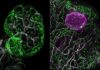
- The Cellular Self: A vivid blue self-portrait underwent a transformation that gave it a “biological, cellular, and molecular effect.” Regan finds this particularly poignant, as it visually connects the chemical nature of the drug— which increases dopamine levels in the brain— to its physical impact on his body and mind.
- Memory and Loss: The final images, featuring luminous yellows and greens enveloping leaf silhouettes, evoke a sense of nostalgia. One photograph reminds Regan of his late mother, prompting reflections on whether she might have recognized these patterns in his life had she known about his diagnosis.
A Window into Neurodiversity
The series, titled “C15H25N3O” (the molecular formula for lisdexamfetamine), will be exhibited at London’s Bethlem Gallery as part of the (be)longing exhibition from April 22 to July 11, 2026.
Regan’s work arrives at a time of growing public awareness regarding ADHD. While the disorder is characterized by childhood-onset symptoms like forgetfulness, impulsivity, and difficulty with time management, it remains difficult for many to articulate the internal reality of living with it. Regan hopes his art bridges this gap, providing a visual language for an experience that is often misunderstood.
“It’s kind of hard sometimes to describe or find the right analogies for people to get what an internal experience is like, but I think that the images represent some of that internal kind of chaos and layering.”
By merging science and art, Regan does more than document his personal journey; he offers a profound reminder that neurodivergence is not just a clinical label, but a complex, layered human experience.