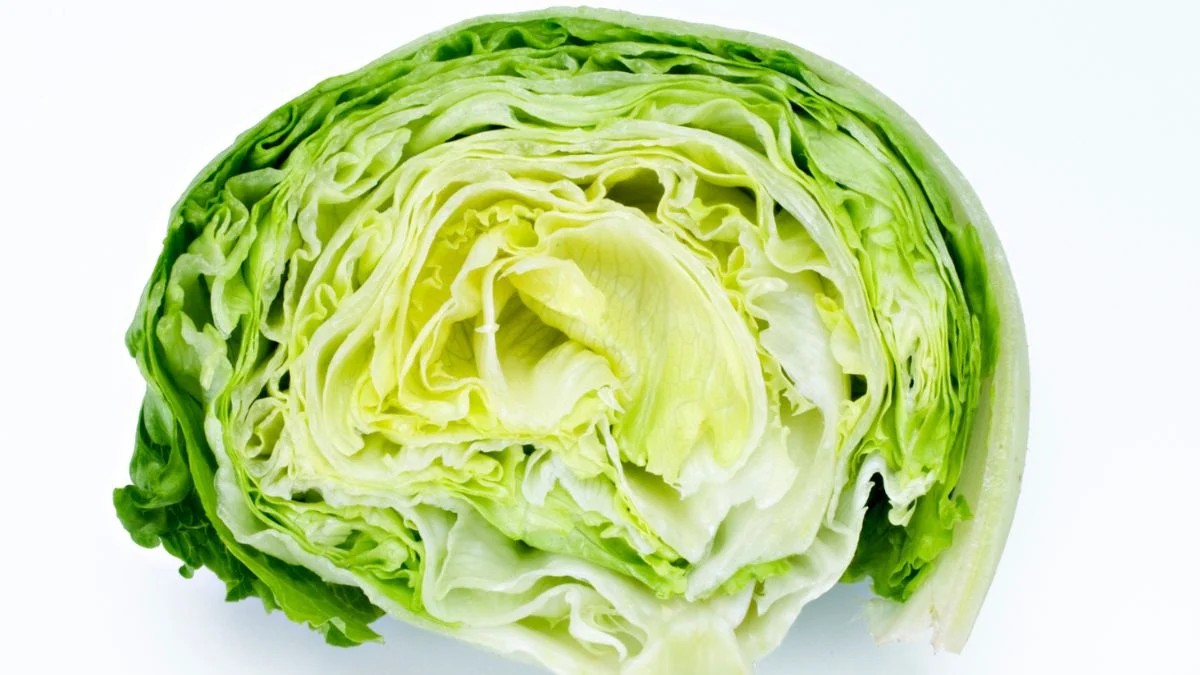
The Cyclospora outbreak in the US isn’t just another scare headline. It is a real surge of a parasite causing explosive diarrhea, and it is linked to a specific source: iceberg lettuce grown in Mexico.
This isn’t theoretical. The parasite spreads through feces. Oocysts enter the environment, sit for one to two weeks in warmth, and then sporulate. When you eat them, they hatch in the small intestine. The cycle repeats.
Person-to-person transmission is rare. This is about contaminated food or water. Specifically, bagged salad greens are the usual suspect. Why? Because they are eaten raw. The production chain offers multiple chances for contamination before the bag is ever sealed.
The Washing Myth
You have probably seen posts suggesting a vinegar soak or a bleach bath. Stop.
Washing is standard procedure. But for Cyclospora, it is largely useless. The parasite has a protective shell that sanitizers and scrubbing cannot penetrate. Rotonya De Latour, a gastroenterologist at NYU Grossman School of Medicine, was blunt with Scientific American: you cannot definitively remove or kill the parasite just by washing, even with a brush.
If you eat it and the parasite survives, the symptoms hit around a week later. We are talking diarrhea, weight loss, cramping, bloated bellies, loss of appetite, nausea, and crushing fatigue. Left untreated, these symptoms drag on for a month. Antibiotics can shorten the duration, but they are not a prevention method.
What Actually Kills Cyclospora?
If you want to eat greens right now, you have to change your strategy. The CDC recommends washing all fruits and vegetables under running water and scrubbing firm produce. That is good general advice. It is not enough here.
Heat is the only reliable killer of this specific parasite. You must cook the food to at least 158 degrees Fahrenheit (70 degrees Celsius). If you can’t cook it, you are rolling the dice with bagged salad.
Epidemiologist Marisa Donnelly offers direct guidance on which foods to avoid. She says to steer clear of bagged and boxed salads found in grocery stores and restaurants until more data emerges.
So, what can you eat? Stick to produce that can be peeled. Think cucumbers. Or vegetables with smooth, intact surfaces. These offer fewer entry points for contaminants compared to leafy greens with their crevices and folds.
Risk Mitigation Strategies
You don’t have to go full raw-foodist diet. You just need to be smarter about your prep.
- Buy whole heads: Instead of pre-washed bags, buy whole heads of iceberg lettuce.
- Discard the outer layers: Throw away the outermost leaves. These are the ones exposed to handling and environment during transport.
- Wash the rest: Scrub the inner leaves thoroughly under running water. It won’t guarantee sterility, but it removes surface debris.
“Continue to avoid bagged and boxed salads… I’m still sticking to produce that can be peeld or vegetables with smooth surfaces.”
Bagged lettuce saves time, but it shifts all the risk to the consumer and the manufacturer. In an active outbreak, that risk is no longer worth it. The parasite doesn’t care about your busy schedule. It only cares about warmth and fecal matter.
The CDC guidelines remain the baseline: wash, scrub, cut away bruised areas. But in the face of a Cyclospora surge, that baseline isn’t high enough. You need heat or whole, unprocessed produce. The rest is guesswork. And when it comes to a parasite that turns your stomach inside out, guessing is the last thing you want to do.