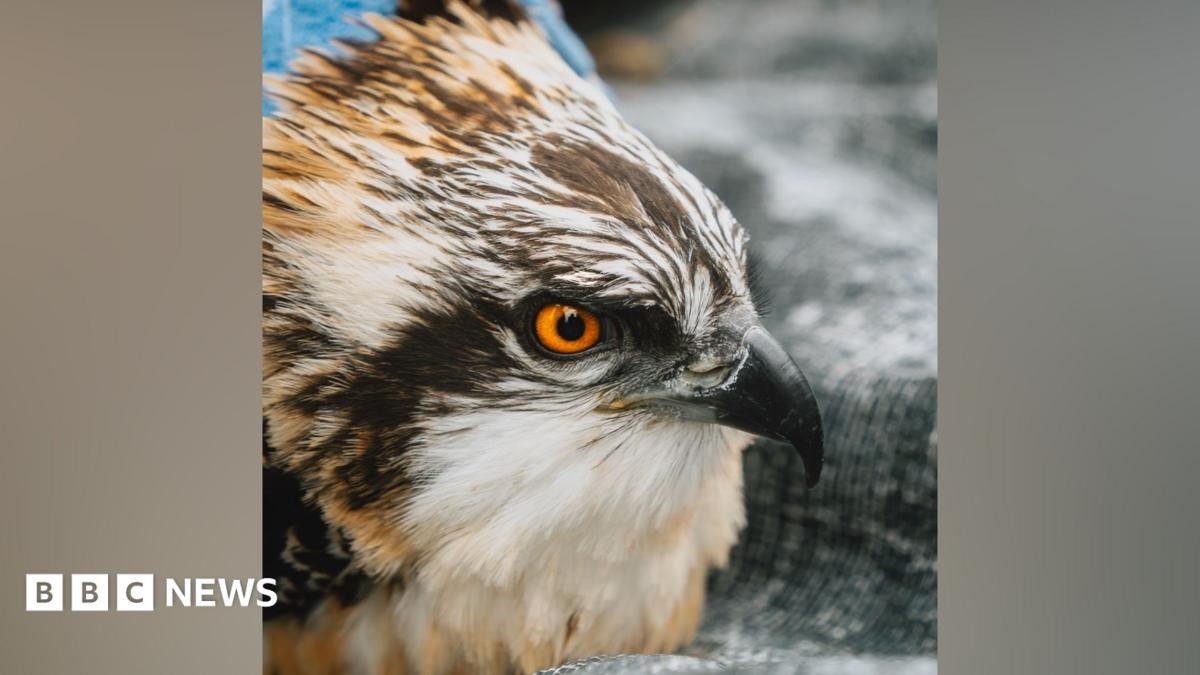
Five chicks.
That is the new record for Cumbria’s wildlife reserves. They were ringed and tagged at Foulshaw Moss Nature Reserve this week, marking a significant year for birdwatchers. But how did this happen? Why so many?
The answer lies in numbers and experience.
Cumbria Wildlife Trust reports a boost in population due to two distinct pairs. There is the veteran duo, Blue 35 and White YWK. Then there are the newcomers: Blue 717 and Blue 476. The new pair, Blue 717 her mate, fledged just one chick last season. This is standard behavior for less-experienced ospreys. They are learning.
This year, however, things shifted. The newcomers returned with three healthy chicks.
“It’s wonderful to see this pair return,” reserve officer Paul Waterhouse noted. “With three healthy chicks this year.”
The older pair is still going strong too. Blue 35 and White YKW have been at the reserve since 2013, when habitat restoration transformed the area into a viable breeding ground. They are estimated to be around 18 years old. Ospreys can live for about 25 years.
So, are they slowing down?
Not even close. They successfully bred again.
“Every year they breed feels like a real benefit,” Waterhouse said.
The previous record at the site was only three chicks in a single season. Five changes the narrative. It turns Foulshaw Moss into a hotspot for osprey chick sightings in Cumbria. But this success comes with a warning.
The second nest is an issue. Established by the younger pair last year, it sits quite close to the boardwalk. It is vulnerable. Disturbance is real risk. If you visit, use the nearby hide. Do it responsibly. Don’t walk the path too close to the edge. The birds need space.
Conservationists ring these birds for a reason. Tagging allows tracking of their movements and life history. Without the data, the management strategy would be blind.
What happens next?
The chicks will likely leave the South Lakeland reserve in September. From there, they face a long journey. Most will migrate to the Iberian Peninsula. Some might go further to West Africa. It is a dangerous trip. But seeing five chicks fledge suggests the population here is resilient.
The trust remains pleased. Both pairs are contributing. One experienced. One proving itself. The reserve holds the title of the best place to see osprey nests in the region, at least for now.
Visitors should keep that in mind when planning their trip. Bring binoculars. Stay back. And watch closely.
The skies over Foulshaw Moss are busy.