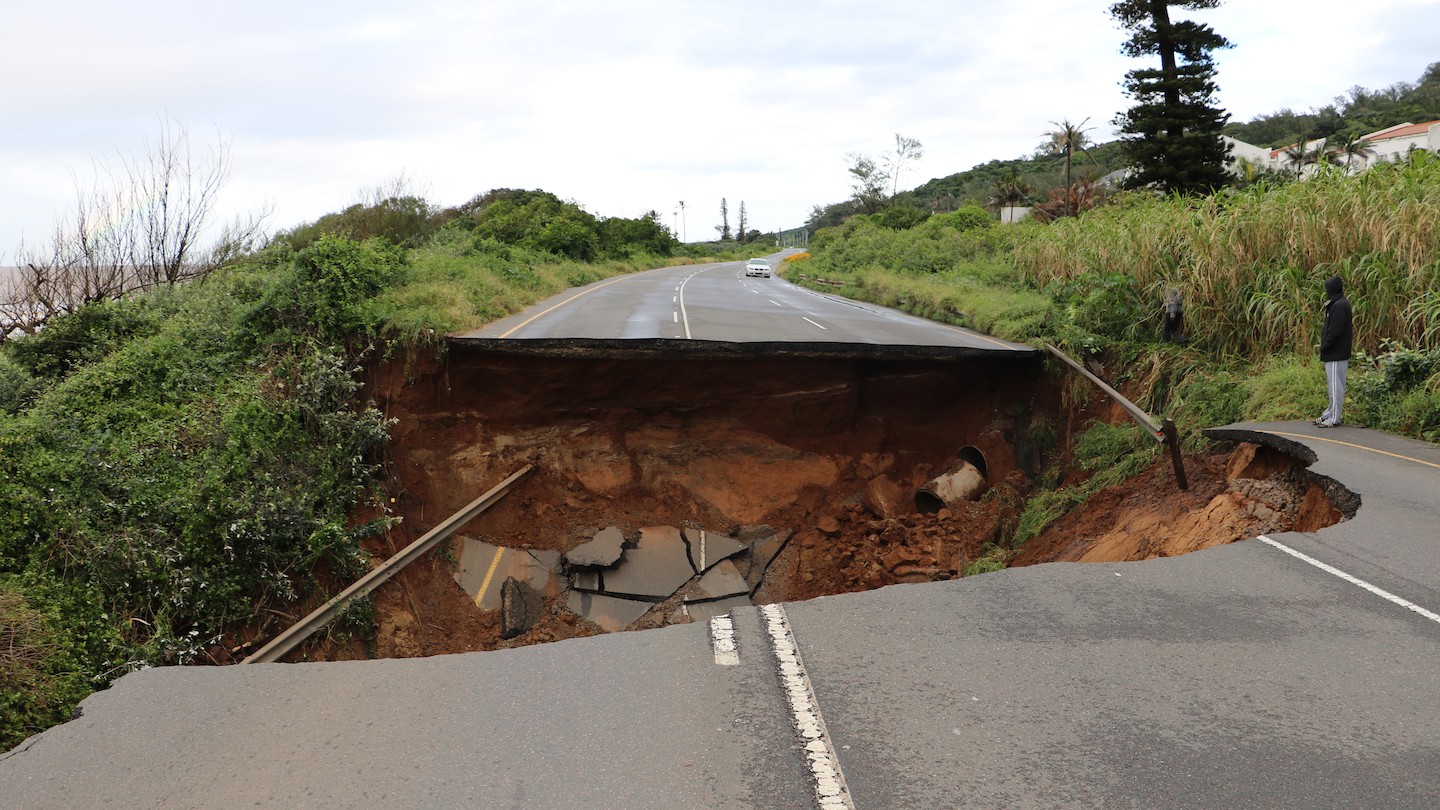
We rely on the earth to hold our water. We trust that what sits beneath our feet will stay there when we need it. But the ground isn’t just a static reservoir. It’s a sponge. And like any sponge, if you squeeze it too hard, it compresses. Permanently.
The phenomenon is called subsidence.
It’s not an earthquake. It doesn’t rattle windows or crack drywall with sudden violence. Instead, the land slowly sinks. It drops. Millimeter by millimeter, year after year, until entire cities are sitting lower than they used to be. The result? Flooding. Structural damage. A silent, creeping loss of elevation that can take centuries to reverse—if it ever can.
What Actually Causes the Ground to Sink?
To understand the sinking, you first need to understand the structure. Below the surface lies a complex matrix of sediment and rock. These materials form aquifers. An aquifer is simply rock or soil that can hold pools of groundwater. For thousands of years, that water provides structural support. The pressure of the water within the pores of the rock and soil keeps the ground matrix expanded.
Think of it this way: the water acts as a hydraulic brace. When you remove that water, the brace fails. The sediment compacts. The rock settles. The surface above it follows.
This isn’t theoretical. It’s happening in agricultural hubs where agriculture demands endless irrigation. It’s happening where we drill for natural gas —a mix of gases that developed underground over eons, often 50 to 90% methane—and extract crude oil. It’s even happening in cities that rely heavily on groundwater for drinking water.
When pumps run faster than the aquifer can recharge, the water table drops. The empty spaces collapse. The land follows.
The Difference Between Subsidence and Sinkholes
People often confuse subsidence with sinkholes. They are related, but distinct.
A sinkhole is often a dramatic event. It happens when a patch of ground suddenly opens up, revealing a rocky cavern below. If that cavern is empty of water, it collapses. Rainwater accumulates in the hole because there is no exit. These can form naturally in limestone regions, but they are frequently accelerated by human activity. Overpumping groundwater in these sensitive zones is a common trigger. Sinkholes can range from a meter wide to the size of a large lake. They are violent. Sudden.
Subsidence is broader. It’s not always a hole. It’s a general lowering of the land surface. It affects vast areas—entire valleys, cities, coastlines. A sinkhole is a puncture; subsidence is a flattening. Both are often linked to water extraction, but the scale and speed differ wildly.
Why It Matters Beyond the Crack in Your Driveway
You might think, “The ground is sinking. So what? It’s dirt.”
Here’s what so what.
Most of the world’s major coastal cities sit on sedimentary basins. They are built on former river deltas. They are already vulnerable to sea-level rise. If the ground is also sinking due to subsidence, the relative rise of the sea level becomes catastrophic.
Sea level is the overall level of the ocean when all tides are averaged out. It’s rising due to climate change. But in cities like Jakarta, Bangkok, or even parts of New Orleans, the land is sinking faster than the water is rising. The net result is accelerated flooding.
And it’s not just water. It’s infrastructure.
Roads buckle. Bridges misalign. Sewage systems crack, leaking contaminants back into the very aquifers we are desperate to keep clean. It creates a vicious cycle: more leaks require more pumping; more pumping causes more sinking; more sinking destroys the infrastructure needed to manage water.