


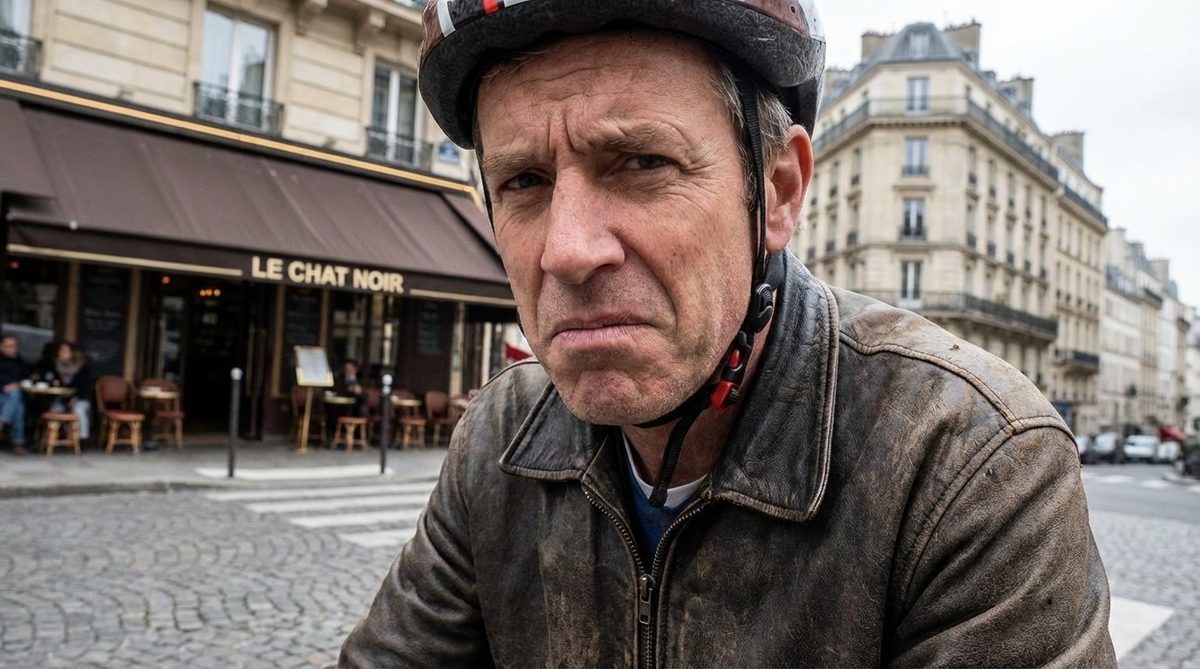
Feel that breeze? The one that smells like freedom and fresh asphalt on your morning commute? Savor it. The clouds are gathering. While the number of commuters on two wheels is skyrocketing, the government has slammed on the budget brakes with surprising violence. What looked like an open highway for change has suddenly turned into a jagged, steep path.
It is February 2026. We are still shivering through the last of winter, dreaming of spring, but a colder reality just hit the chain. The financial taps are nearly shut.
This is a cold shower for everyone who traded the steering wheel for handlebars in recent years. We got used to seeing concrete barriers pop up, secure parking spaces appearing, and financial incentives rolling in. But behind the polished political rhetoric, the 2026 budget reality is arid. It is a landscape that will test our patience—and our pockets—more than we expect.
The Euphoria of “All Bike” Hits a Concrete Wall
A few months ago, it seemed France had finally committed to the green mobility shift. In our heads and on the roads, a national momentum felt unstoppable. Bike counters hit record highs. Repair shops were packed. The image of the urban cyclist shifted from a fringe activist to Mr. and Mrs. Everyman heading to the office. This cultural shift, driven by general ecological awareness, looked as solid as a steel frame.
But the shock of reality against recent political announcements is brutal. That feeling of continuous progress, which motivated us to pedal through the pouring rain of early 2026, collided with a ruthless economic pragmatism. The social energy is there. You can feel it at every intersection. It is just out of sync with a political will that seems to be running out of breath.
The Accounting Shock: Where the Millions Vanished
If you thought state commitment was carved in marble, brace yourself for the numbers. The gap between the 250 million euros annually originally promised by the bike plan and the 50 million euros actually validated for 2026 is staggering.
This is not a minor adjustment. It is an amputation of 80% of the expected budget. Trying to fund national infrastructure changes with such a tiny sum is like trying to empty the ocean with a teaspoon.
This sharp cut is a direct rejection of soft mobility. Concretely, it means the vast majority of co-financing the state provided to local authorities for infrastructure projects has evaporated. For the daily user, the translation is immediate: that dangerous pothole won’t get filled. That deadly intersection won’t be redesigned. That broken bike lane that forces you to put your foot down remains exactly as it is. The message is clear: cycling is becoming an afterthought.
Rural Areas and Small Towns Left Behind
It is crucial to understand that this austerity will not hit everyone equally. Large metropolises, with their substantial own budgets, might maintain a semblance of development. Small and medium-sized towns, however, rely almost entirely on state subsidies for their planning projects.
Without this boost, those project files go to the bottom of the drawer. This marks the de facto stop of bike lane projects in peripheral and rural zones. If you live ten kilometers from work and were hoping for a safe greenway to replace the departmental road where trucks brush you at 80 km/h, you will need to steel your nerves. Territorial equity takes a hit. Cycling risks becoming a privilege for wealthy city dwellers, effectively excluding those in the suburbs who needed car alternatives the most.
Goodbye Cargo Bikes and Generous Bonuses
The other bad news for the start of 2026 hits your wallet directly, especially if you were eyeing a higher gear. The rejection of key amendments for purchase aid marks the end of a golden era. Mechanisms that significantly lowered the bill for electric bikes (E-bikes) or cargo bikes are either gone or out of reach for the middle class.
The impact on families wanting to swap a car for a cargo bike is devastating. These vehicles, a true alternative to a second family car for transporting kids and groceries, are a heavy investment, often exceeding 3,000 or 4,000 euros. Without the ecological bonus, the economic equation no longer holds for many households.
Here is what to expect:
- Removal of specific aid for cargo bike purchases for non-priority households.
- Non-renewal of the bike bonus in its expanded form.
- Tightened income conditions to access remaining premiums.
The infrastructure promised is vanishing. The subsidies for buying the bikes are gone. The gap between the dream of a green France and the budget of 2026 is widening. What happens next depends on who is willing to pay the price.
The government won’t officially admit it, but the national cycling strategy is effectively dead in the water. We are staring at a plan that exists on paper but has been hollowed out by a lack of financial substance. This is a calculated communication strategy designed to avoid alienating environmentally conscious voters while simultaneously cutting off the funding taps. The 50 million euros allocated for this period will barely cover the completion of construction projects that are already legally and physically stalled. There is zero margin left for innovation or expansion.
The uncertainty hanging over medium-term projects is palpable in town halls across the country. How can local planners design a coherent cycling network over a three-year horizon when they cannot even guarantee the budget for road paint next year? This short-sighted management style prevents any structural vision from taking root. Without adequate funding, we risk seeing a proliferation of cheaply made, poorly designed low-cost infrastructure.
The Industrial Shockwave
Beyond asphalt and checks, an entire ecosystem is trembling. The immediate loss of trust among industry stakeholders and local government bodies is a major red flag. Public works companies, French bicycle manufacturers, and user associations are watching their order books and future prospects collapse. An industrial sector that was just beginning to localize production and create jobs in France has had its momentum severed.
The danger here goes deeper than economics. There is a real risk of breaking a citizen habit that is still fragile. Cycling practice requires safety and consistency to thrive. If infrastructure degrades or fails to improve while automobile traffic reasserts its dominance, many riders will simply give up. This backward step would be an ecological and public health catastrophe, wasting the colossal efforts made over the last five years to get France back in the saddle.
The Road Ahead for Urban Mobility
Let’s not sugarcoat it: we are heading toward a bitter assessment of a pivotal year wasted by austerity. The year 2026, which was supposed to be the time for consolidating and fine-meshing the territory’s network, will instead be defined by stagnation. Daily cyclists will need to remain hyper-vigilant on roads that will not adapt as quickly as their growing numbers require.
However, the situation is not entirely hopeless if we react correctly. It will require patience and relentless advocacy to prevent the loss of existing gains. Local associations, commuting cycling collectives, and citizens must raise their voices louder than ever to remind policymakers that cycling is not a budgetary adjustable variable, but a pillar of ecological transition and public health. The road is steep, but we have the legs to climb it.
In the face of this abrupt halt, solidarity among users will be our best weapon for navigating these turbulent waters. The period of budgetary disengagement will test the determination of citizens to continue their commitment to soft mobility.


