First time ever. Kidney. Liver. Tissue. Bioprinted off-planet.
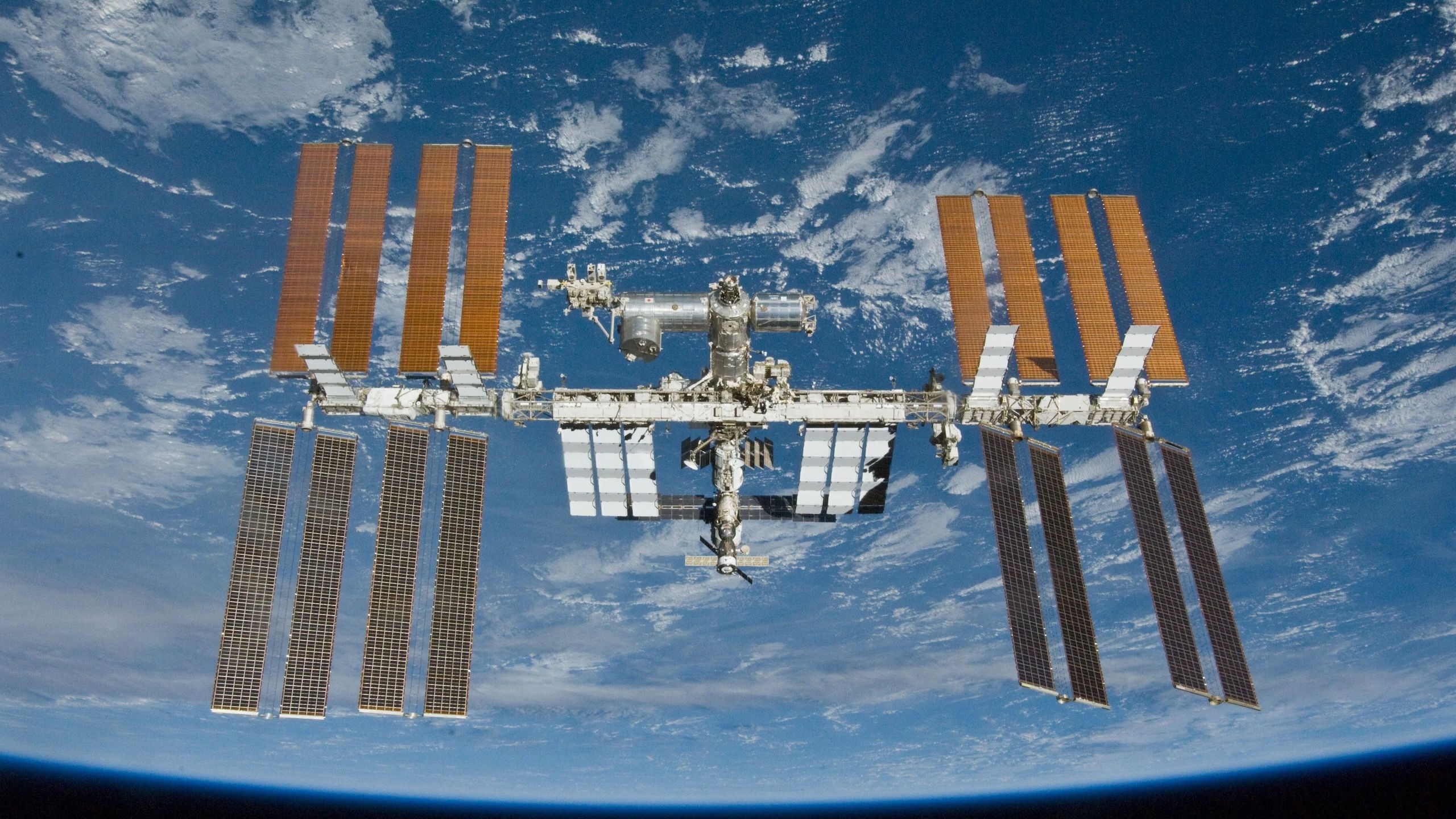
California’s Auxilium Biotechnologies just did it. They sent their AMP-1 bioprinter to the International Space Station and it printed living tissue. Not just one kind either. It made kidney cells. Liver cells. Cartilage. The designs came from the Wake Forest Institute for Regeneration Medicine in North Carolina.
Auxilium CEO Jacob Koffler didn’t hold back. “The ability to manufacture multiple tissue types… highlights both the versatility and scalability,” he said. Big words. Big promise.
The experiment ran in June. While the ISS orbited, the machine also churned out 28 nerve repair implants. It all came home on a SpaceX Dragon capsule that splashed into the Pacific on June 17. Real materials. Returned to Earth.
WFIRM director Anthony Atala sees potential. He thinks the uniform cell distribution in zero-G is the key. Maybe space makes better tissue? The physics are different up there. Cells don’t sink to the bottom. They just float in the suspension until the printer lays them down.
It isn’t the first try at space bio-printing. Sure, it wasn’t. Back in 2018 Oleg Kononenko, a Russian cosmonaut, tested the “Bioprinter Organ.Aut” on the ISS. It used magnets to assemble cartilage. That was a single cell type. This new stuff? Multiple tissues. Kidneys and livers included. First time.
Auxilium wants this to scale. They’re talking commercial manufacturing hubs. Biotech in orbit. Healthcare supplies printed above the clouds. Engineering vice president Isac Lazarovits called it “an exciting step.” He mentioned “meaningful production volume” in one mission.
It is a milestone. Whether it leads to routine factory floors in low-Earth orbit or remains a high-cost novelty remains to be seen. The technology works now. The rest is logistics.