Science found the secret bacteria in artisan cheeses. And they might actually be good for your health.
Cheese seems simple. A hunk of dairy. A tasty snack. But look closer. Every bite is a microscopic war zone turned peace treaty. Milk turns to solid gold through bacteria and fungi breaking down sugar, fat, protein. This creates flavor. Aroma. Texture. New research says these tiny builders do more than cook the cheese. They might help your gut.
The Study
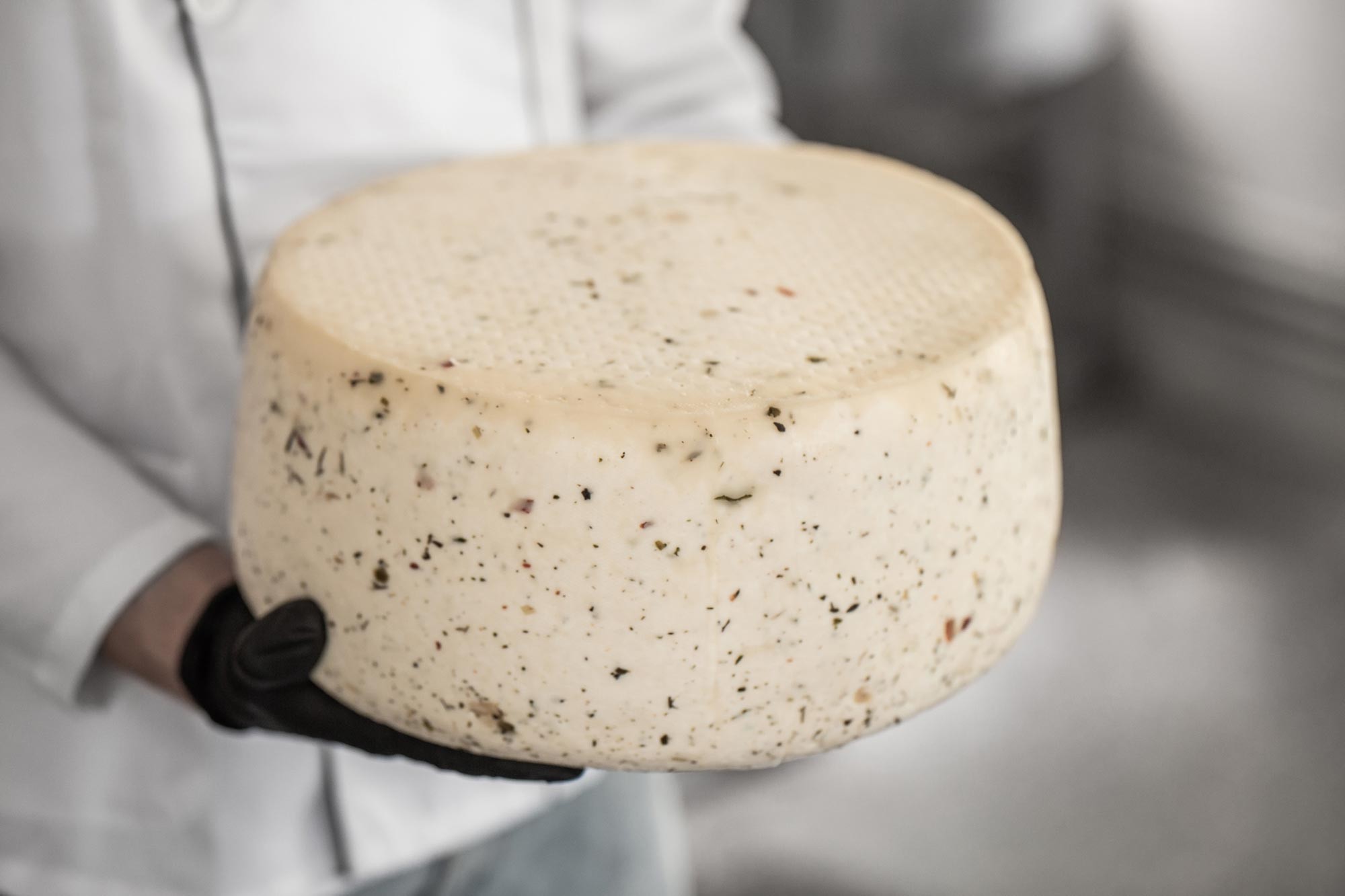
Scientists at the University of Reading looked at three artisan British cheeses from Nettlebed Creamery. Oxfordshire. They watched the microbes change as the cheese aged. Tracked chemistry. Tracked life. The study, in ACS Food Science & Technology , covered three types: a soft white-rind one aged over a week. A washed-rind semi-soft one matured for weeks. A semi-hard one aged in hay for nine months.
Sabrina Longley leads the charge. PhD researcher at Reading. Also a cheesemaker at the creamery.
She said good cheese is delicious. The artisan kinds are packed with microbial life. This life could help gut health. The aging process builds complex aromas. An army of helpful bacteria does the work. The cheese’s fat and protein matrix might protect those bacteria during digestion. Making cheese an excellent vehicle.
“Good cheese is delicious, and the artisans we studied are full of life that helps the gut.”
Bugs in Every Bite
Researchers took samples at different points. Analyzed the bugs and the chemicals. Every cheese had bacteria with probiotic potential.
Streptococcus thermophilus stayed dominant in the semi-soft hard cheeses. This is the same guy in yogurt starters. Lactococcus lactis showed up in all three from start to finish.
The washed-rind hay-aged cheeses held Propionibacterium freudenreich ii. This bug makes propionic acid. Linked to anti-inflammatory effects. Lower cholesterol. Appetite control.
What about the rind? People who eat it have another reason. The white mold Penicillium candid um makes chitin. That is dietary fiber. Maybe a prebiotic. Feeds good gut bugs. Helps the microbiota change.
Hay Makes It Better
Aging hard cheese in hay increased diversity. Wildly so. By maturity it held nearly four times as many species as the start.
And here is the kicker for those with sensitivities. Lactose? The milk sugar that hurts some people’s stomachs. It is gone. Almost entirely. From all three cheeses by maturity. The lactic acid bacteria broke it down during fermentation.
Longley does this for fun partly. Nettlebed Creamery funded it. She is studying part-time. Local bursary support.
The authors say we need more work. Dietary intervention trials. We must know how these bugs behave inside you. After you eat them. How they touch your gut biome. What else they do to your body.
Why guess? 🧀