The Glue That Works
Biofilms. Sounds slimy, right?
It is. Essentially a gooey community of microbes. They glue themselves to surfaces. It’s a survival tactic. When the environment turns toxic, they huddle together for protection.
This sticky nature just turned into an advantage. Researchers have found that yeast, specifically the kind that lives in biofilms, can pull microplastics out of water.
Biofilms allow microbes to cling to solid surfaces, shielding themselves from stressors while creating a dense, active layer on the exterior.
Here’s how it works.
Yeast cells release flocculants. These chemicals are basically magnetic glue. They cause tiny particles suspended in liquid to clump up. We call these clumps flocs. The electricity that usually keeps particles apart gets neutralized. They stick together. They get heavy. Then they sink.
Or they float. It depends on density.
This process, called flocculation, isn’t new. But using yeast to target microplastics specifically? That’s the experiment.
The Problem Is Small
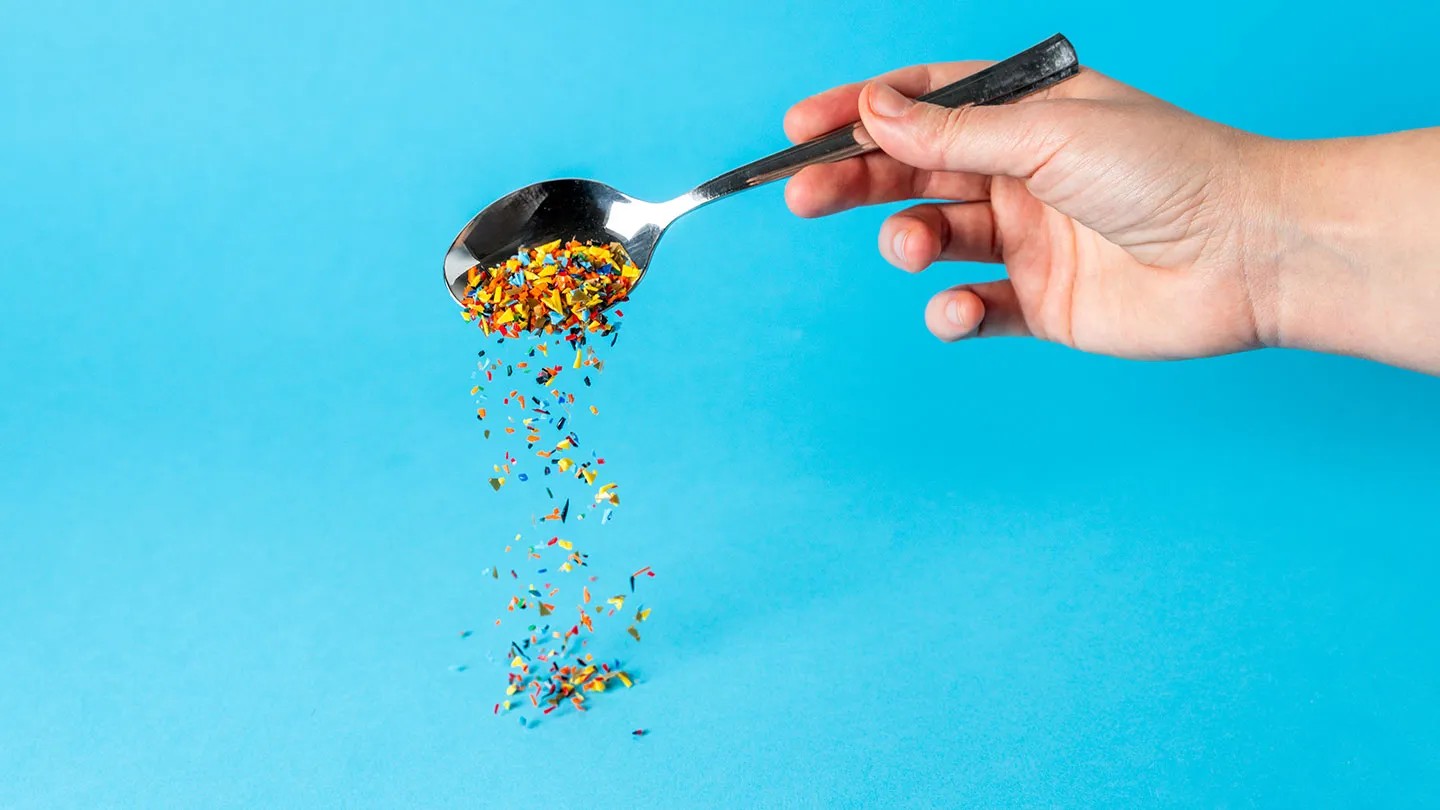
Microplastics. 5 millimeters or smaller.
They’re everywhere. Broken down bottles. Bags. Frayed clothing fibers.
If you pour polluted water through a standard filter, most microplastics slip right through. The holes in the filter are bigger than the plastic bits.
So what do we do?
We let the plastic bits hold hands.
If we can trick those microscopic pieces of polyester or polyethylene to aggregate, we turn them into something big enough to catch. Something the yeast can lift or settle.
The researchers focused on two common culprits. Polyethylene terephthalate, or PET. Think beverage bottles. Also plain polyethylene. Think bags. Wrappers.
PET breaks into polyester fibers when washed. Polyethylene chips away as bags rot.
Yeast To The Rescue
The study tested different yeast strains. Some were good. Others weren’t.
It came down to the hydrogel layer surrounding the yeast cells. This smart polymer-based material reacts to its environment. Salt. Temperature. pH levels.
If the hydrogel attracts water well, it creates a sticky barrier. A sticky barrier catches plastic.
The control group, obviously, showed us the baseline. No yeast, just dirty water. The results there? Still dirty. As expected. Controls are necessary to prove the variable—the yeast—actually did anything. Without a control, you’re just guessing.
Why This Matters
Let’s talk about corals.
Coral reefs are ecosystems. Fragile ones. Marine animals that build hard stony homes for themselves and everyone else. They’re choking. Not on anchors, but on plastic.
When fish eat plastic, the toxins accumulate. Up the food chain.
Wait, aren’t we mammals too?
Yes. Humans. We eat the fish. We drink the water. If the water is full of degraded polymers, those chemicals enter us.
Microorganisms degrade plastics? Maybe. But usually too slow to matter before the plastic enters the ocean. This yeast approach speeds things up by physically removing them. Not destroying the chemical structure yet. Just separating the pollutant from the water.
It’s a physical fix for a chemical problem.
Not A Silver Bullet
The economy drives plastic production. Why? It’s cheap. Lightweight. Durable.
Durable is the problem. It doesn’t want to go away.
This yeast method is promising, sure. But it’s an experiment. It doesn’t clean the Pacific Ocean tomorrow.
The data suggests it works in a beaker. Can it scale?
Wastewater treatment plants handle billions of gallons. If they integrated yeast cultures, could they filter out the invisible bits before the water hits the sea?
Maybe.
But for now, we just have biofilms. Gooey, microbial glue doing a job they never evolved for.
The plastic doesn’t vanish. It just gets caught. And catching it is half the battle.
The rest? We haven’t figured out the end yet. 🍄