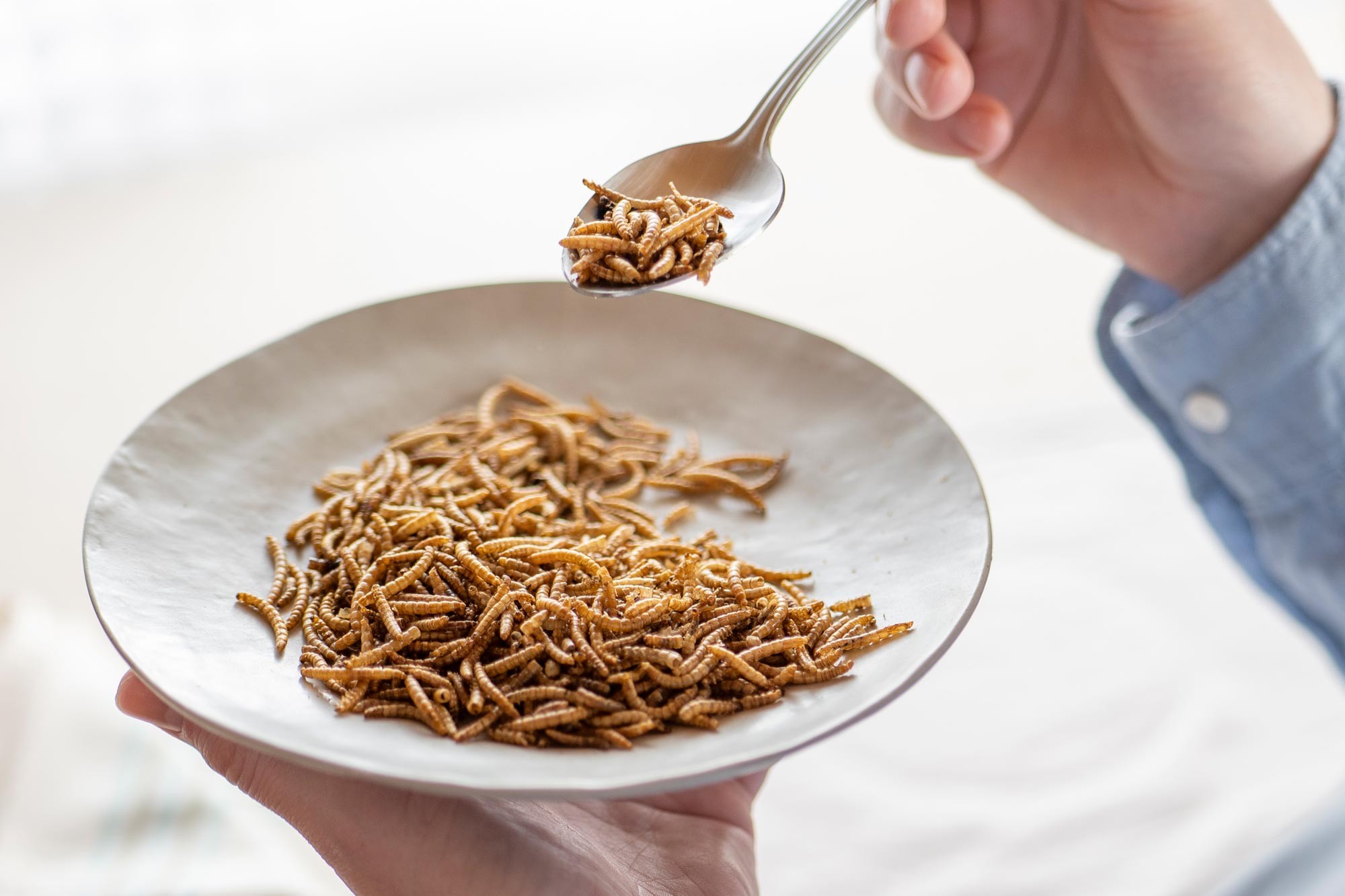
Hunger is global. Sustainability is urgent. But put a grasshopper in a European kitchen, and things get weird.
For decades, we told ourselves the disgust was cultural. Just a weird hangup of Western society. Easy to explain away. A new study from the Institute of Evolutionary Biology throws a wrench in that theory.
It wasn’t just culture.
It was biology. And history.
The resistance isn’t shallow. It digs deep into our DNA. Into our ancient ecology.
Scientists are looking everywhere for alternative protein. Climate change is stressing crops. The FAO says insects are sustainable. Hundreds of millions already eat them. So why do we recoil?
Pablo Librado and his team didn’t look at current menus. They looked at ancient teeth. Specifically, dental calculus. Tartar. It preserves DNA.
They analyzed 745 samples. Some went back 33,000years. The picture that emerged was stark.
The Verdict
In Northern Eurasia, ancient humans rarely ate insects. Not as a staple. Maybe accidental bites while foraging. That was it.
Then they checked the genes. Chitin. That hard shell on insect bodies. Breaking it down requires specific enzymes. Chitinase.
Here’s the twist. Northern Europeans have mutations in these genes. Mutations that make digestion harder. Harder to process the exoskeleton.
This trait stuck around for 9,000 years. Since the dawn of farming. We didn’t eat them. So our bodies forgot how to efficiently digest them. Evolution moved on.
“The absence of entomophagy is not due to recent culture,” Librado notes. “It is ecological history.”
The Neanderthal Appetite
Neanderthals tell a different story entirely.
Their tartar held plenty of insect DNA. Levels matched chimpanzees. Chimps eat bugs on the savanna during dry spells.
Most of that DNA was flies. Mosquitoes.
Did Neanderthals swat flies mid-air? Unlikely.
They likely scavenged carcasses. Infested with maggots. The mosquito DNA hints at storage near marshy waters. A practical meal in a tough climate. Their genes supported this diet better. They had the chitinase tools we lost.
Heat helps digestion
Geography mattered. Tropical regions remained different.
Populations near the tropics kept genes active for chitin digestion. Social insects. Termites. Locusts.
These groups provide bulk. High biomass. They are available year-round. In hot climates, insects were a reliable food source. The genes stayed switched on.
Further north, the availability dropped. So did the genetic expression.
It is a feedback loop. Eat less, lose the enzyme efficiency, eat less. For millennia.
Farming the future?
Can we change biology in a decade? No. But we can change processing.
We don’t need to digest raw shells. Industrial processing breaks down chitin for us. Farming scales up production.
We aren’t forced to adapt to the food anymore. We force the food to fit us.
Librado’s team is now looking at domestication. Comparing wild insect genomes with farmed ones. Using old museum specimens.
It is about evolution, again. But this time, we hold the pen.
What does it mean when our biology fights our lunch?
We are trying to rewrite 9,000 years of absence in a factory.